A guide to ancestral rites

Understand the rite. Then ask how it applies to your family.

These introductions explain the names, meaning and common preparation for eight rites families ask us about. Family traditions differ, so a qualified pandit should answer questions specific to your family.

How to use these guides

Learn the name, then talk about the family.

  1. 01

    Read the introductions

    Use them to understand vocabulary, not to diagnose the family’s circumstances.

  2. 02

    Describe what you know

    Share names, relationships, dates or tithi if known, and any guidance already received.

  3. 03

    Talk about place and participation

    Tell us where the rite may happen, who can attend and what practical help the family may need.

  4. 04

    Ask for the full details

    Before committing, make sure the rite, date, pandit, inclusions and any offline terms are clear.

Browse the rite guides

Eight rites, explained in plain language.

Each guide gives you a starting point. It cannot prescribe a rite for your family.

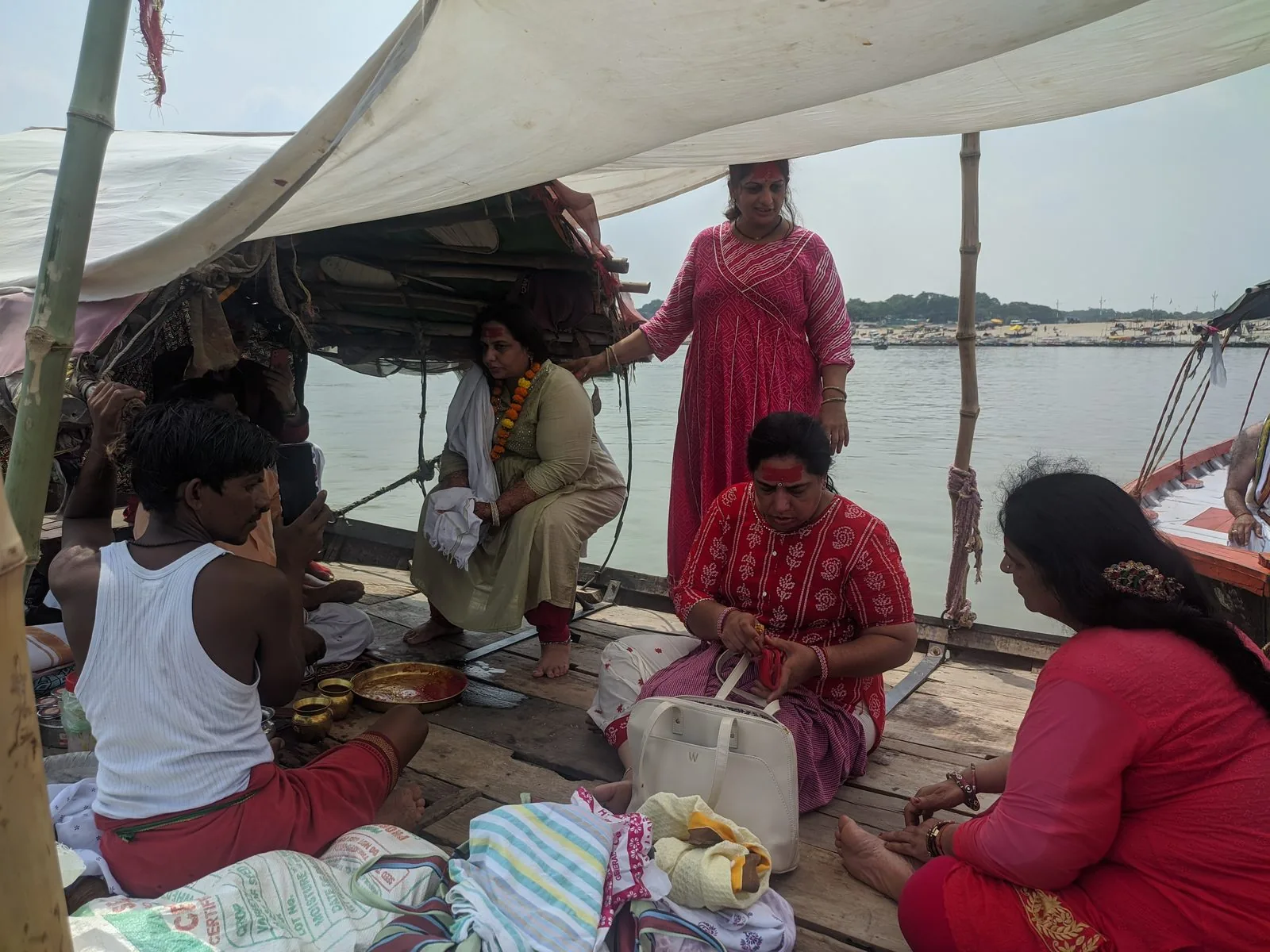
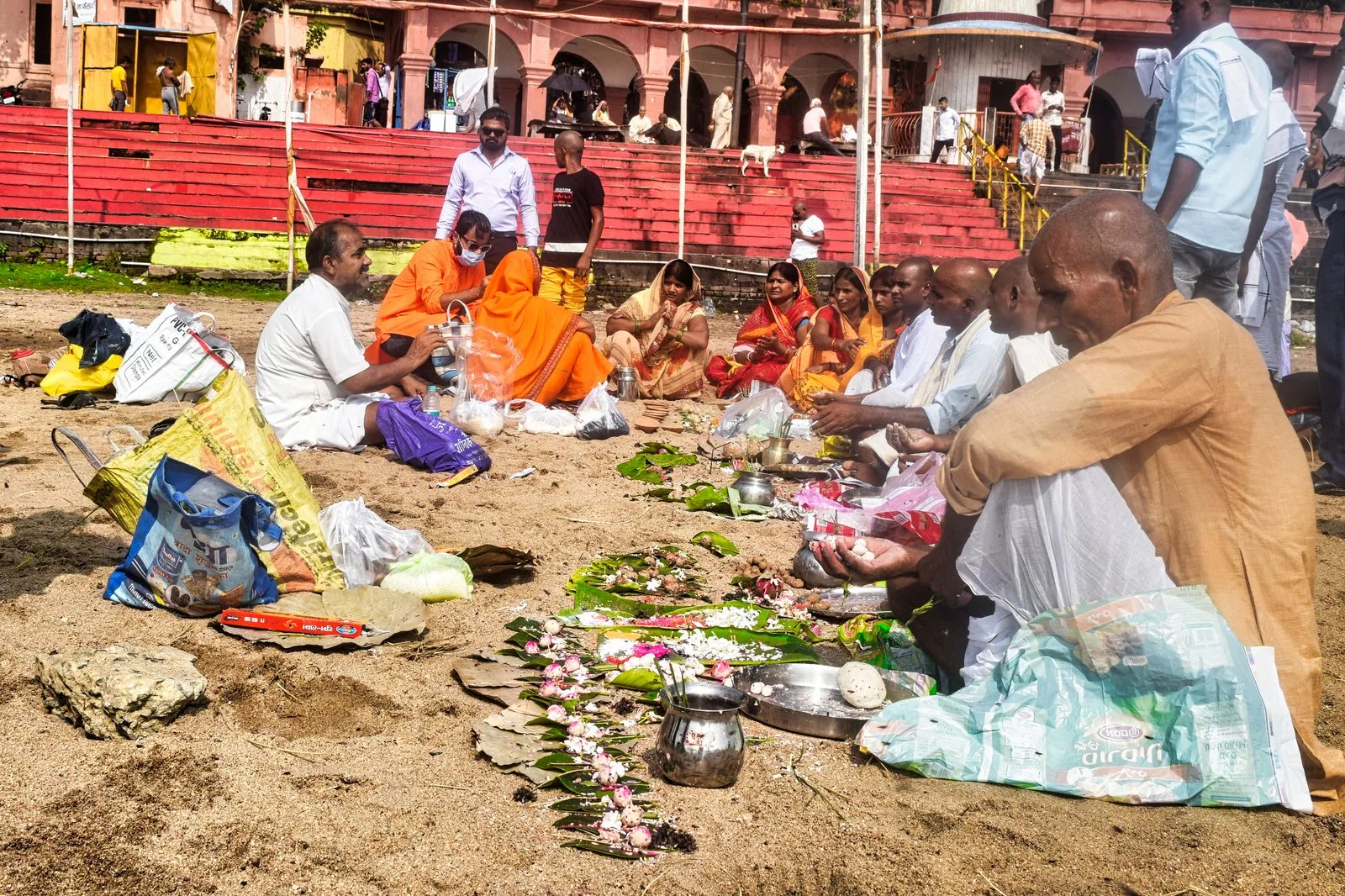
A pandit and participant seated with prepared offerings during Pind Daan
Food offerings made in an ancestor’s name

Pind Daan

Pind Daan centres on pindas—offerings commonly prepared from rice or grain and other materials named by the family’s tradition. It usually sits within a wider Shradh sequence rather than standing for every ancestor rite.

Read the introduction

A person offering water with cupped hands at the Triveni Sangam
A water offering of remembrance

Tarpan

Tarpan is an offering of water made with remembrance and recitation. In Pitru Tarpan, the family remembers ancestors; the word can also be used for offerings addressed to other groups in broader ritual contexts.

Read the introduction
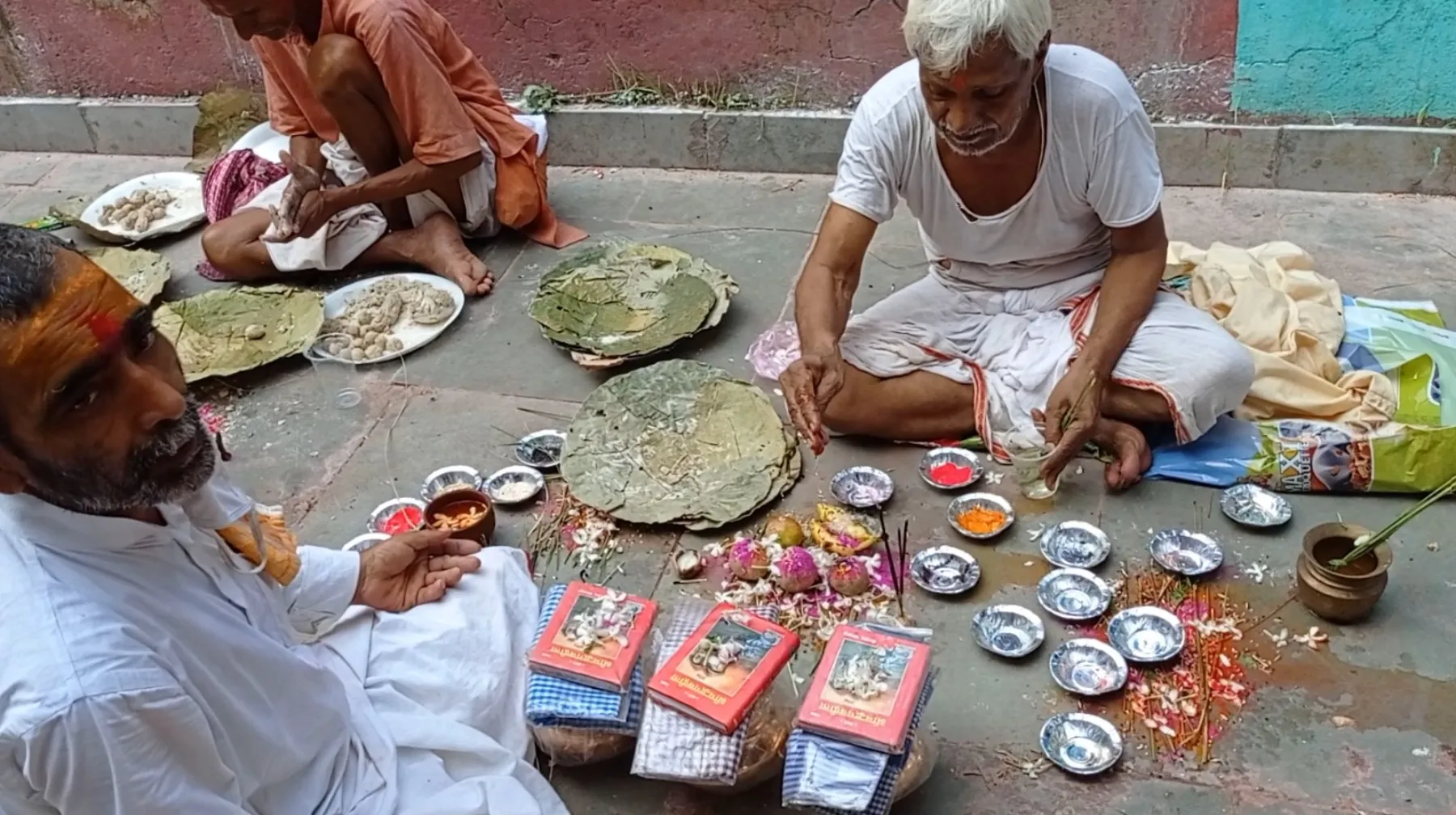
Three participants seated with ritual texts and offerings during Tripindi Shradh
Understanding the tradition with care

Tripindi Shradh

Understand Tripindi Shradh, the threefold pinda arrangement, family tradition and the questions to discuss with a qualified pandit before planning.

Read the introduction
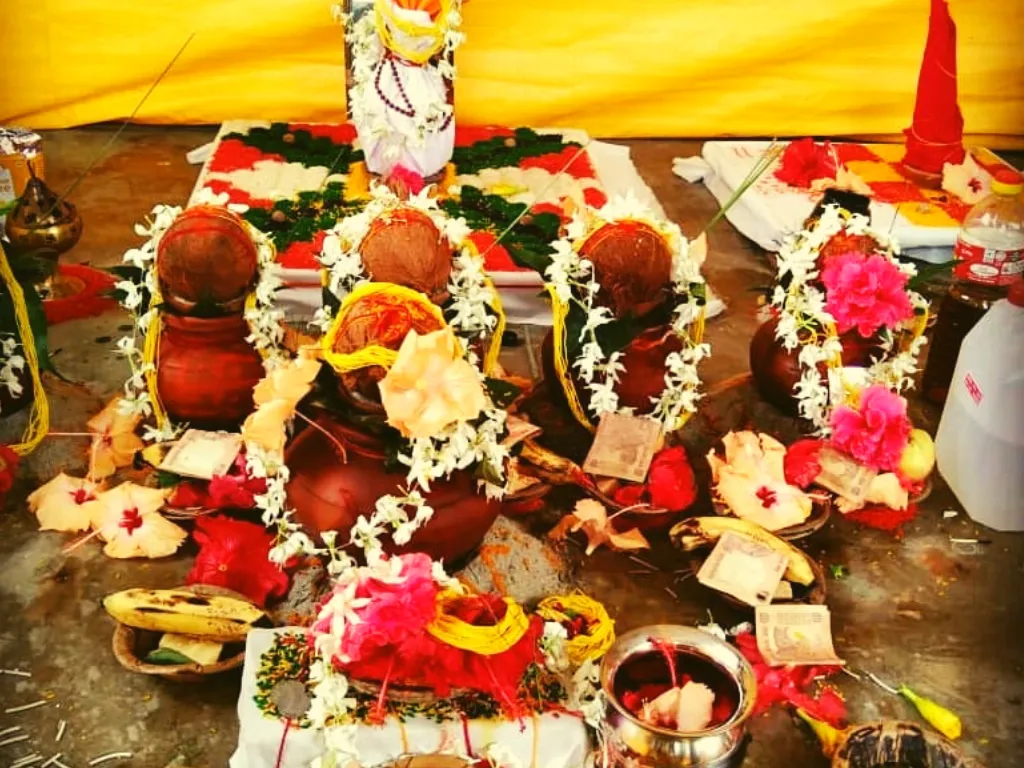
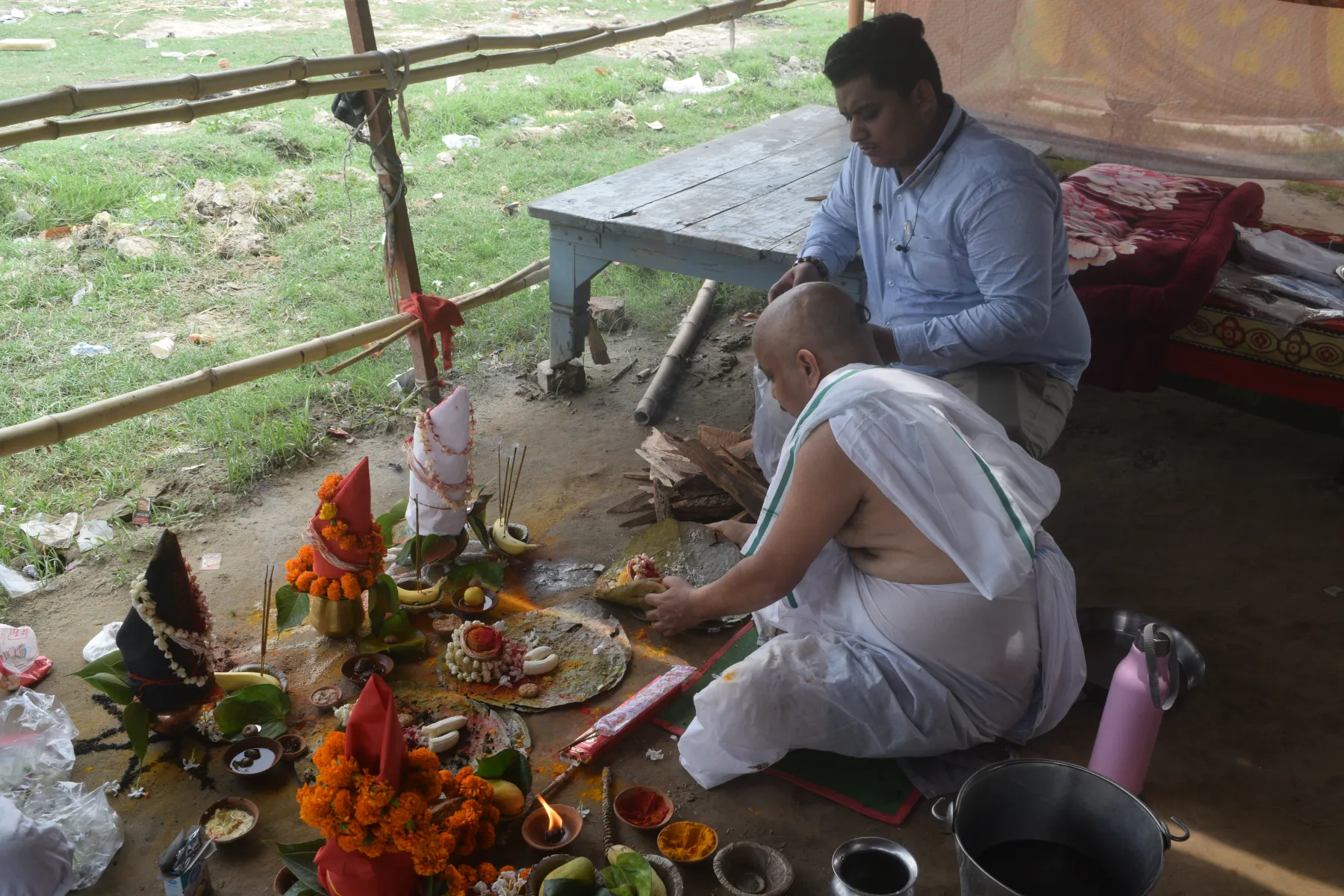
Flower-adorned ritual vessels in a Narayan Bali setting
A careful family-planning guide

Narayan Bali

Review family context, source questions, privacy, place and planning boundaries before discussing Narayan Bali with a qualified pandit.

Read the introduction
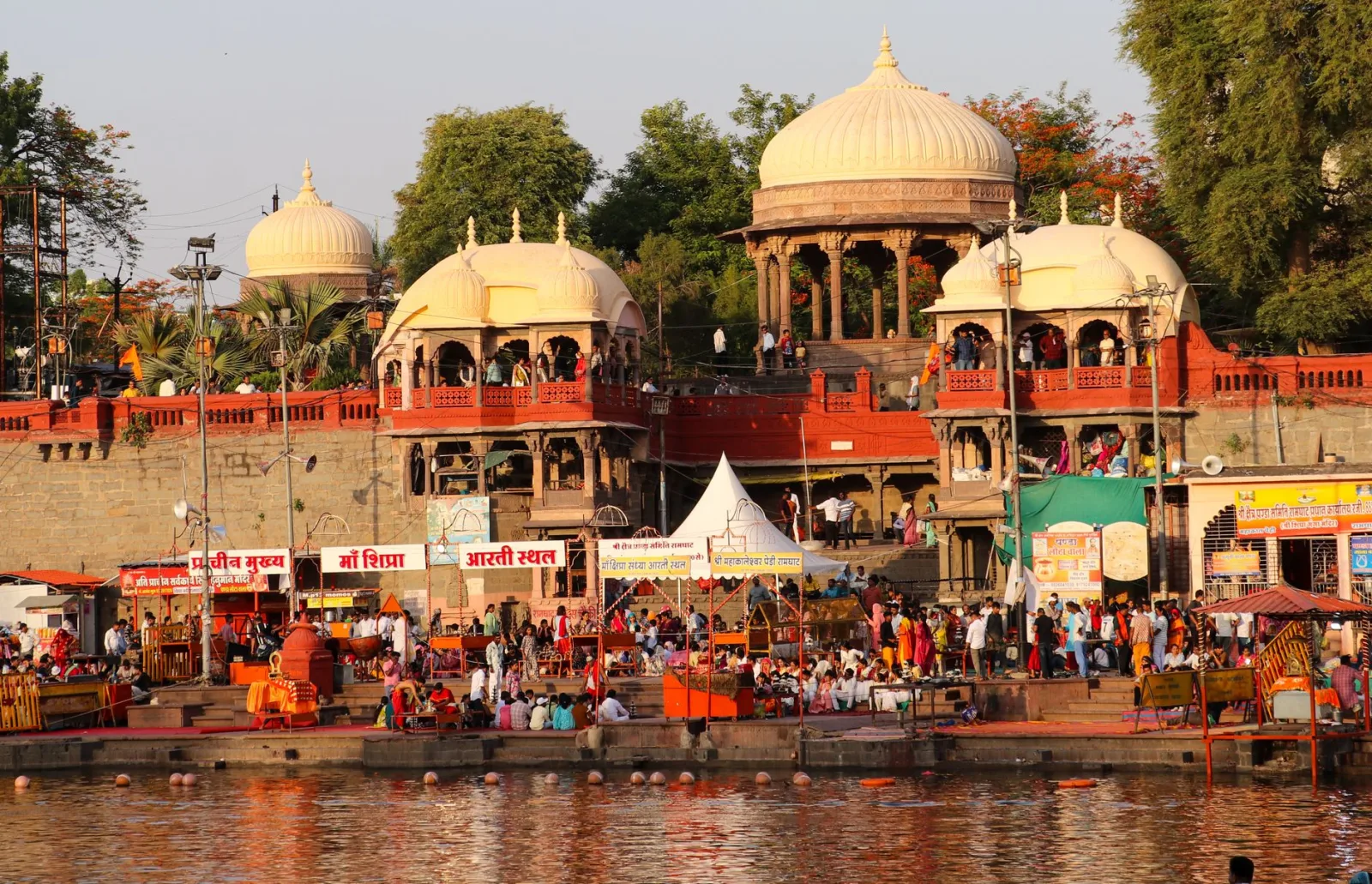
The Shipra riverfront in Ujjain
An umbrella label used after personal guidance

Pitrudosh Nivaran

“Pitrudosh Nivaran” is commonly used for rites proposed after an astrological or religious consultation. It is not one universally fixed ceremony, and Pitrupaksha.org does not diagnose Pitrudosh or promise to remove it.

Read the introduction
Pilgrims and boats across the Triveni Sangam riverfront
The closing Amavasya of Pitrupaksha

Sarvapitri Amavasya

Sarvapitri Amavasya is the new-moon tithi that closes the Pitrupaksha fortnight in many calendars. Families often use it for collective remembrance, especially when an individual death tithi is not known or could not be observed.

Read the introduction
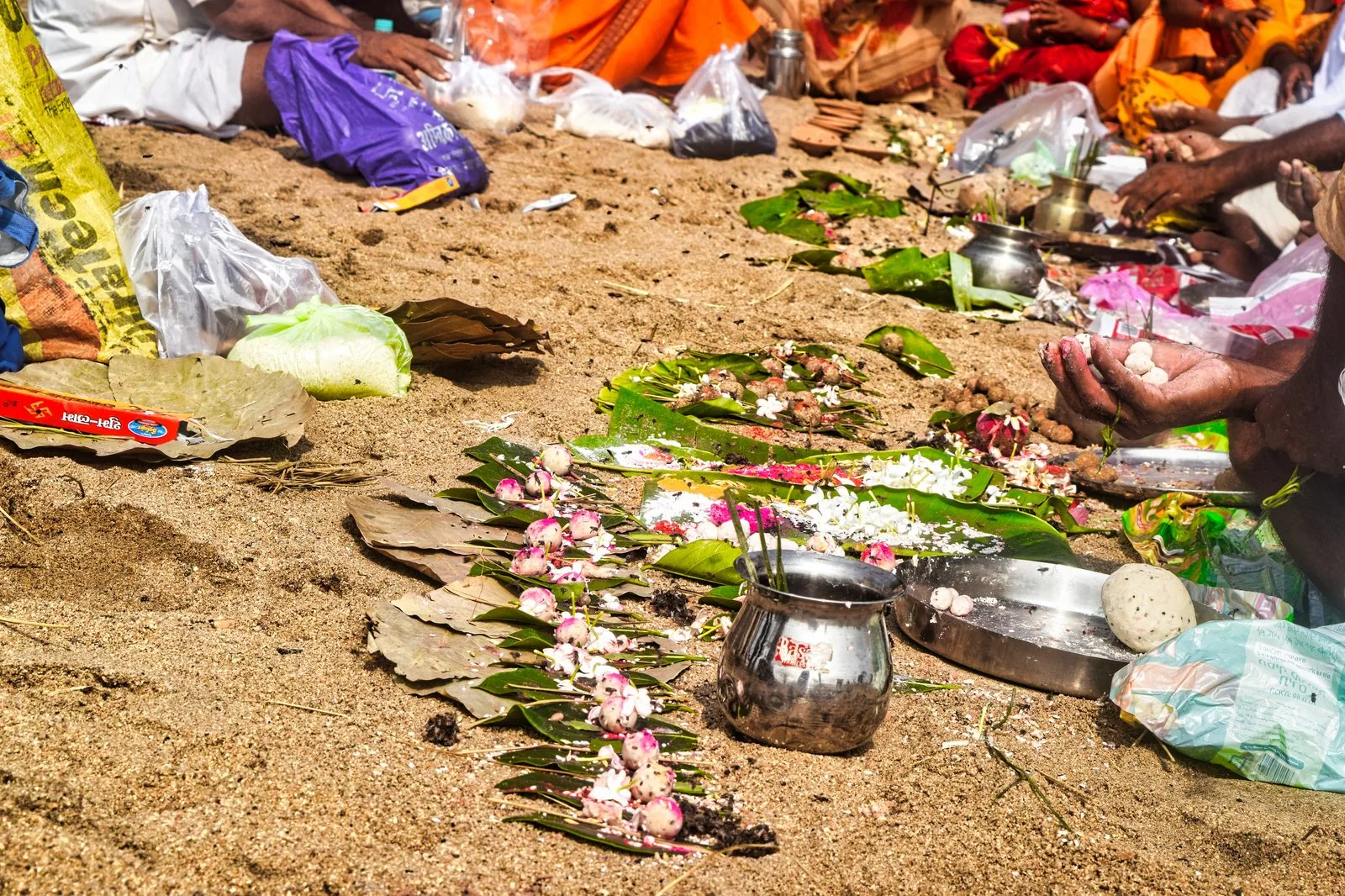
Rice, flowers and vessels arranged for an ancestral rite
A term whose regional meaning should be checked

Mahalaya Shradh

“Mahalaya” is used differently across regions: for the Pitrupaksha period, its closing Amavasya, or a regional day of ancestral remembrance. A family should first confirm which date and observance its tradition means by Mahalaya Shradh.

Read the introduction
What a short guide cannot answer

The details that belong in a conversation.

Suitability

The family’s circumstances and any qualified guidance already received.

Place and local practice

The sacred site, exact local setting and the practical sequence.

Date and participants

The preferred date, who will attend and whether special support is needed.

Arrangements and offline terms

What is included, what the family provides and the written terms before any payment.

Prepare for the conversation

Bring the known details, not perfect answers.

  • Family: ancestor names, relationships and who will participate.
  • Timing: date of passing or tithi if known, plus preferred dates.
  • Place: preferred sacred site or “not sure” if you need orientation.
  • Support: language, mobility, travel and remote-coordination questions.

Rite guidance — questions.

Can the website tell me which rite my family needs?

No. These pages explain the rites. A qualified pandit needs to understand your family’s tradition and situation before advising what applies.

Does sending an enquiry create a booking?

No. It records a request for follow-up. Nothing is confirmed and no website payment is taken.

What if I do not know the rite name?

Select “Not sure / Need guidance” and describe the circumstances in your own words.

Read all FAQs
If the rite name is unclear

Tell us the family story in your own words.

You can begin with a name, date, place or the guidance you have already received. We will help you work out what to ask next.