
The context matters as much as the name.
Families may hear about Tripindi Shradh from a family priest, elder, religious adviser or local tradition. Begin by asking why it has been suggested and which tradition will guide the family.
Understand Tripindi Shradh, the threefold pinda arrangement, family tradition and the questions to discuss with a qualified pandit before planning.
Use this guide as an introduction, then ask a qualified pandit what applies to your family’s tradition.
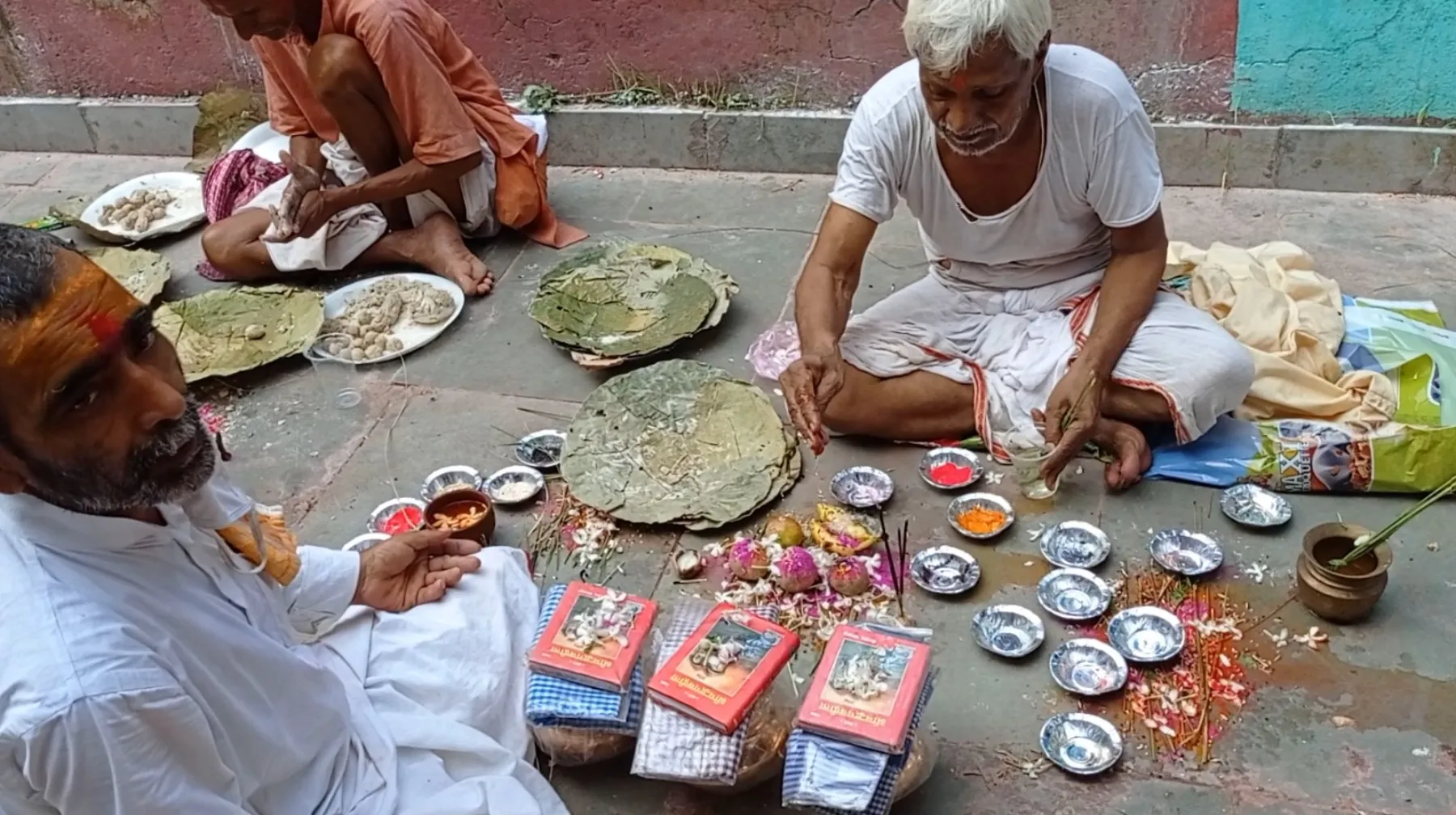
Families may hear about Tripindi Shradh from a family priest, elder, religious adviser or local tradition. Begin by asking why it has been suggested and which tradition will guide the family.
Tell the pandit who has received the guidance, which relatives are available and whether the family already follows a priest or annual remembrance custom.
The steps can differ by family tradition and place. Use this overview to prepare questions, then ask the pandit to explain the actual sequence.
Wait before buying materials. The pandit should confirm what is needed for the rite, place and family tradition.
Practice can differ by lineage, region and family circumstances. Ask the pandit to explain what applies to your family.
Read all FAQsThe traditional description used here centres on a threefold pinda arrangement. A qualified pandit can explain its meaning and full practice within the tradition your family follows.
Discuss the guidance with the family priest, elder or qualified pandit you trust. Ask why it has been suggested and how it relates to the family’s existing tradition.
Confirm the tradition, purpose, participants, place, date, materials responsibilities and current travel details before committing to a plan.
Explore these focused articles for a clearer understanding and a thoughtful family conversation.
We will reply by phone or WhatsApp and help you organise the questions. Nothing is booked or paid for on this website.