
Purnima
26 SepFull-moon remembrance; confirm the local tithi.
Most families were never taught the language, calendar or practical questions around ancestor rites. This library helps you arrive at the conversation knowing what to ask.
Five short sections · written for families beginning from the basics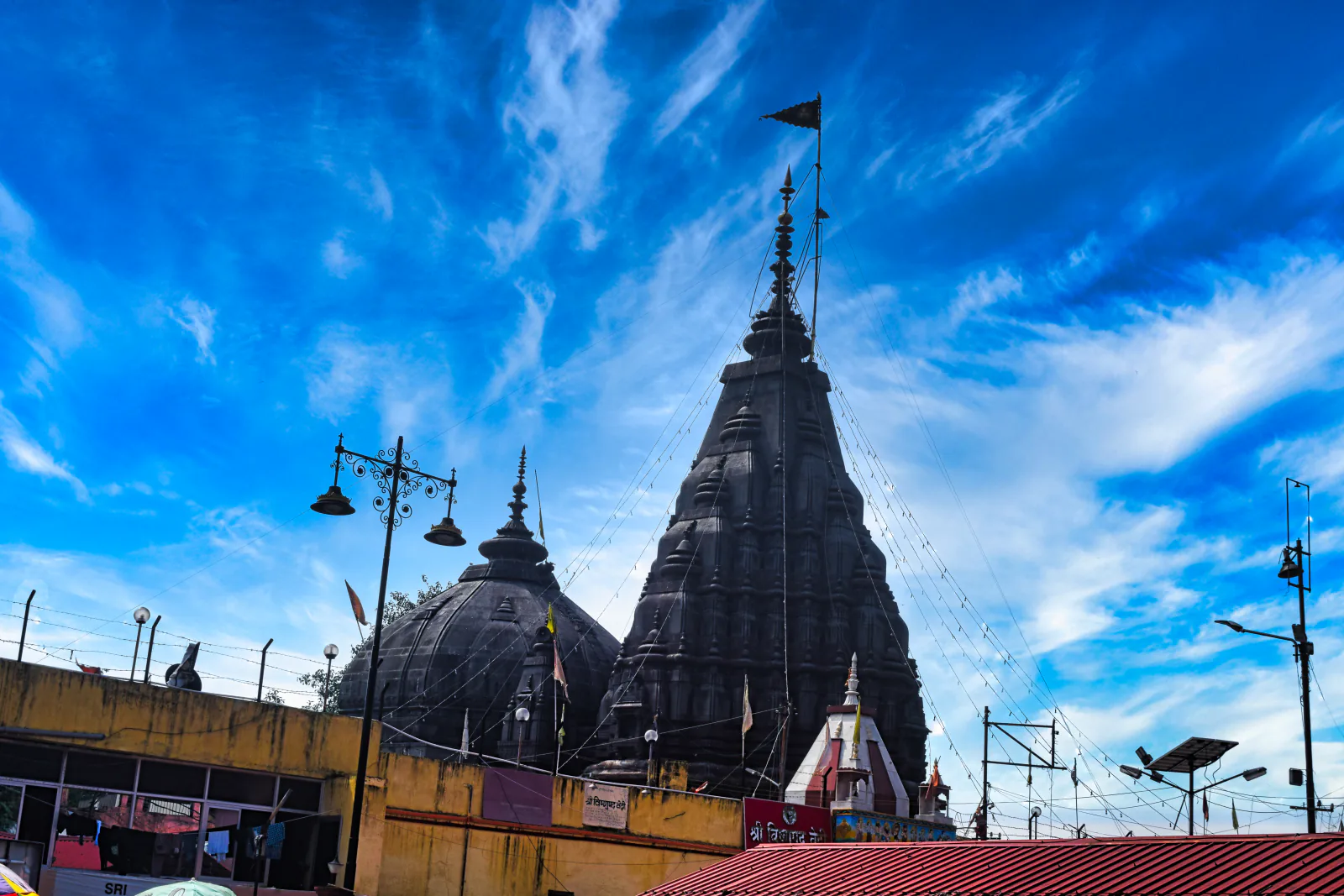
A traditional account associated with Gaya tells of Gayasura, whose body became the sacred landscape on which rites for ancestors are remembered. Vishnupad—understood in the tradition as Vishnu’s footprint—stands at the centre of that geography.
The story is not presented here as a scientific or historical claim. It explains how many practitioners and families understand the relationship between the place, generosity and remembrance.
Local practice can vary between families and lineages. A qualified pandit should explain what the tradition means for the rite being considered rather than treating a short web summary as instruction.
The current 2026 guide uses 26 September to 10 October for India. A tithi can begin or end within a civil day, and location changes timings, so confirm the applicable window before travel or arrangements.
Full-moon remembrance; confirm the local tithi.
First lunar day of the waning fortnight.
Second lunar day; local timing may vary.
Third lunar day; confirm for the chosen site.
Fourth lunar day in the 2026 guide.
A tithi can begin or end within a civil day.
Sixth lunar day; use a location-aware panchang.
Seventh lunar day in the guide sequence.
Eighth lunar day; confirm the applicable window.
Ninth lunar day in the waning fortnight.
Tenth lunar day; family tradition also matters.
Eleventh lunar day in the 2026 guide.
Twelfth lunar day; check the local calendar.
Thirteenth lunar day in the guide sequence.
Fourteenth lunar day before Amavasya.
Closing new moon; confirm local observance.
Calendar note: these dates are a planning guide, not a personal muhurat. Confirm the tithi using a location-aware panchang and the family’s tradition.
You do not need all the answers. Use this list to notice what your family knows and what you want a qualified pandit or coordinator to explain.
What is the family hoping to remember or understand through the rite?
Which names, relationships, gotra or dates are known, and which details are uncertain?
Who will take part, where are they located, and what language or accessibility support is needed?
Which sacred site is being considered, and has its local tithi and access been checked?
What will be provided locally, and what should the family prepare separately?
Which pandit, timing, practical plan and offline terms have actually been put in writing?
These plain definitions will help you follow a conversation. A word may be used a little differently across regions and family traditions.
A broad term for acts of remembrance and offering for ancestors; usage varies by tradition.
A ritual offering commonly associated with Pind Daan; its form and meaning should be explained by the pandit.
A water offering made in remembrance; local and family practice can differ.
A spoken statement of intention and relevant family details at the beginning of a rite.
A lunar day. It does not always align with a midnight-to-midnight civil date.
A lineage identifier used by some families. Tell the coordinator if it is unknown.
A term used for ancestors or forebears in this context.
An offering to the practitioner; any amount or recipient should be clarified before payment.
Materials used for a rite. The exact list depends on the rite, place and practitioner.
A traditional calendar used to calculate tithi and other time-specific details for a location.
The new-moon tithi; it has particular associations in many remembrance traditions.
A word meaning in the prescribed manner; the applicable procedure requires qualified religious guidance.
Religious traditions, lunar dates and local conditions deserve different kinds of checking. These are the five standards we follow.
When we make a religious or textual claim, we should say where it comes from and who has reviewed it.
A web page can explain a term. It cannot decide suitability or interpret a family’s tradition.
Lunar timings are calculated for the relevant location and date, not copied as one universal schedule.
Access, mobility, photography, weather and seasonal conditions can change and should be checked for your date.
The Blog and guides help you understand. A conversation is still needed to know what can be arranged at a particular place.
Tell us what your family knows and what remains unclear. We will help you find the next person or place to ask.