Pitrupaksha 2026 · 26 Sept—10 Oct

A fortnight
to remember
those before us.

Pitrupaksha is a time to remember and honour our ancestors. If your family is unsure about the rite, date or place, tell us what you know. We will help you understand the practical next steps.

The 2026 remembrance fortnight begins in 44 days. Dates can vary by location and family tradition, so check the tithi before making travel plans.

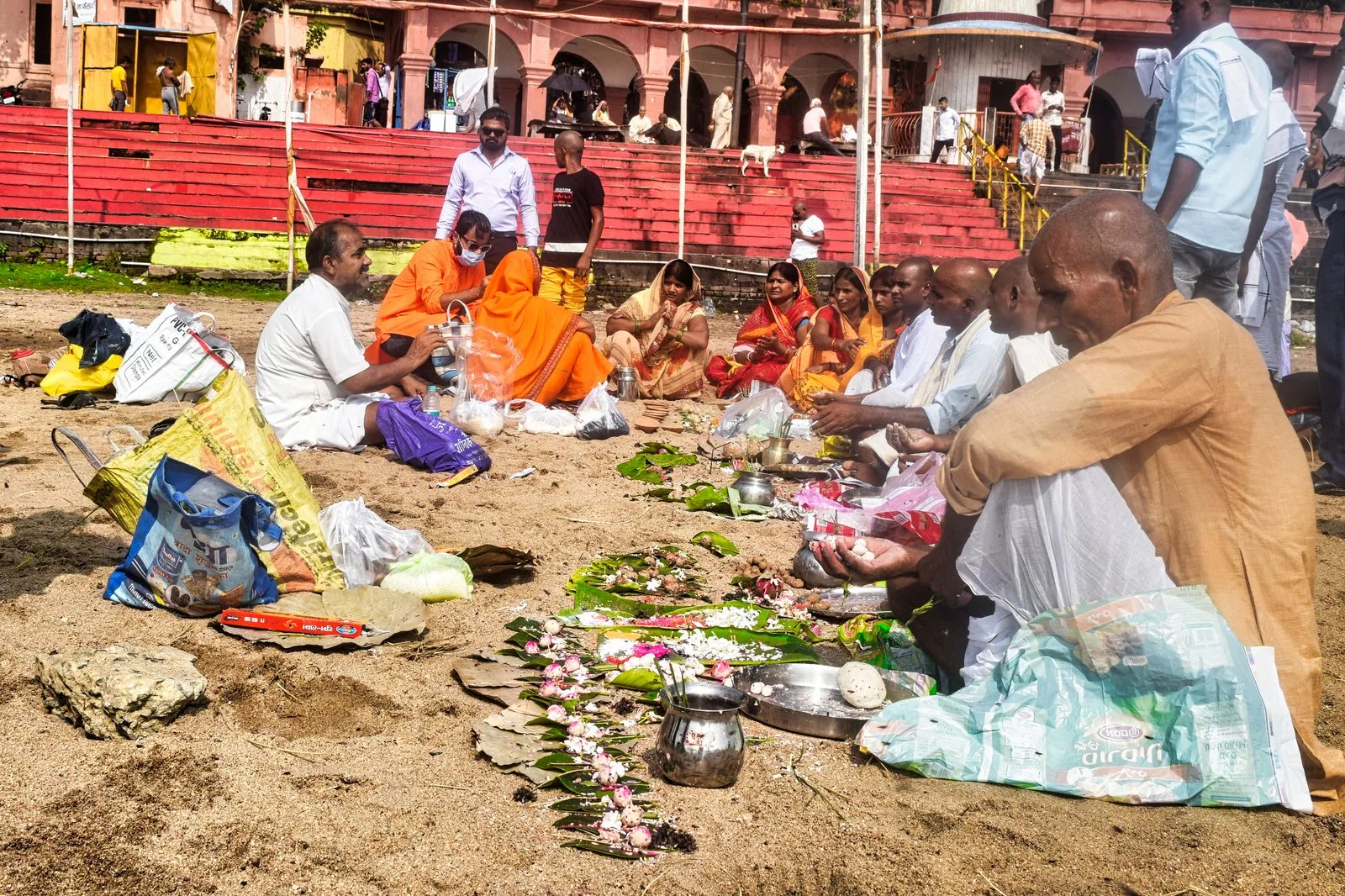
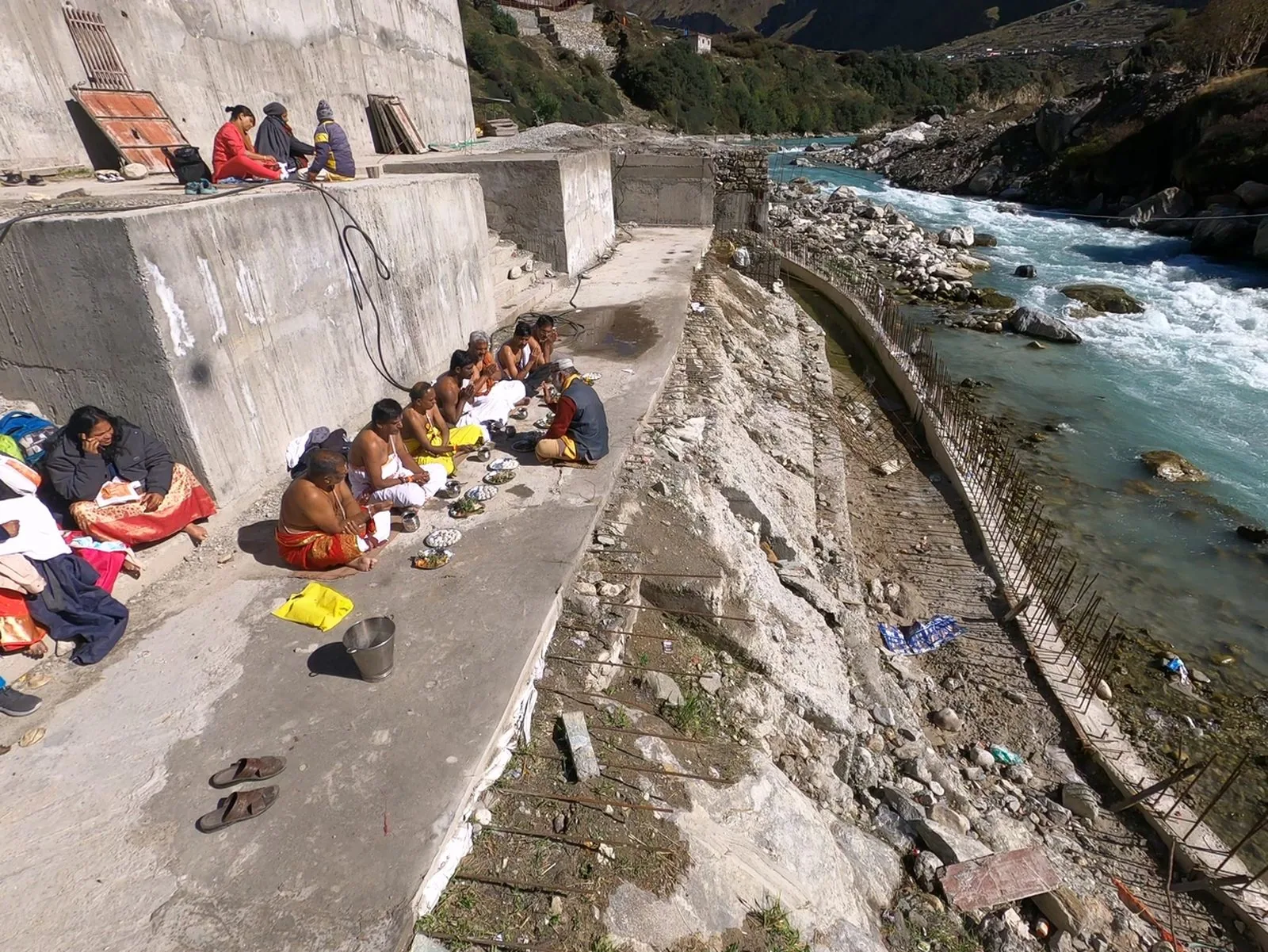
The Falgu river landscape in Gaya
Falgu river landscape · Gaya, Bihar A place closely associated with Pind Daan
Start with a conversation
No website payment or instant booking
Eight sacred sites
Local help at each place
100+ pandit network
Introductions based on rite, place and language
14,200+ families served
4.8+ rating from 400+ reviews
A simple place to begin

How coordination works

You do not need to know the rite or have every family detail ready.

  1. Tell us what you know

    Share the rite if you know it, the place you are considering, a preferred date and who may take part. It is fine if some details are missing.

  2. We call or WhatsApp you

    A coordinator listens to your questions and asks for the details needed to understand your family’s request.

  3. We work through the details

    Together, you discuss the rite, sacred site, pandit, access, timing and anything else your family may need.

  4. Choose when you are ready

    We explain what can be arranged before you make any offline commitment. The enquiry form itself is not a booking or payment.

Rites families ask about

Start with a plain introduction.

Learn what each rite means, the details families often prepare, and the questions worth asking a qualified pandit.

Pind Daan

Pind Daan centres on pindas—offerings commonly prepared from rice or grain and other materials named by the family’s tradition. It usually sits within a wider Shradh sequence rather than standing for every ancestor rite.

A useful question Which place and family members should be included?
Read the introduction
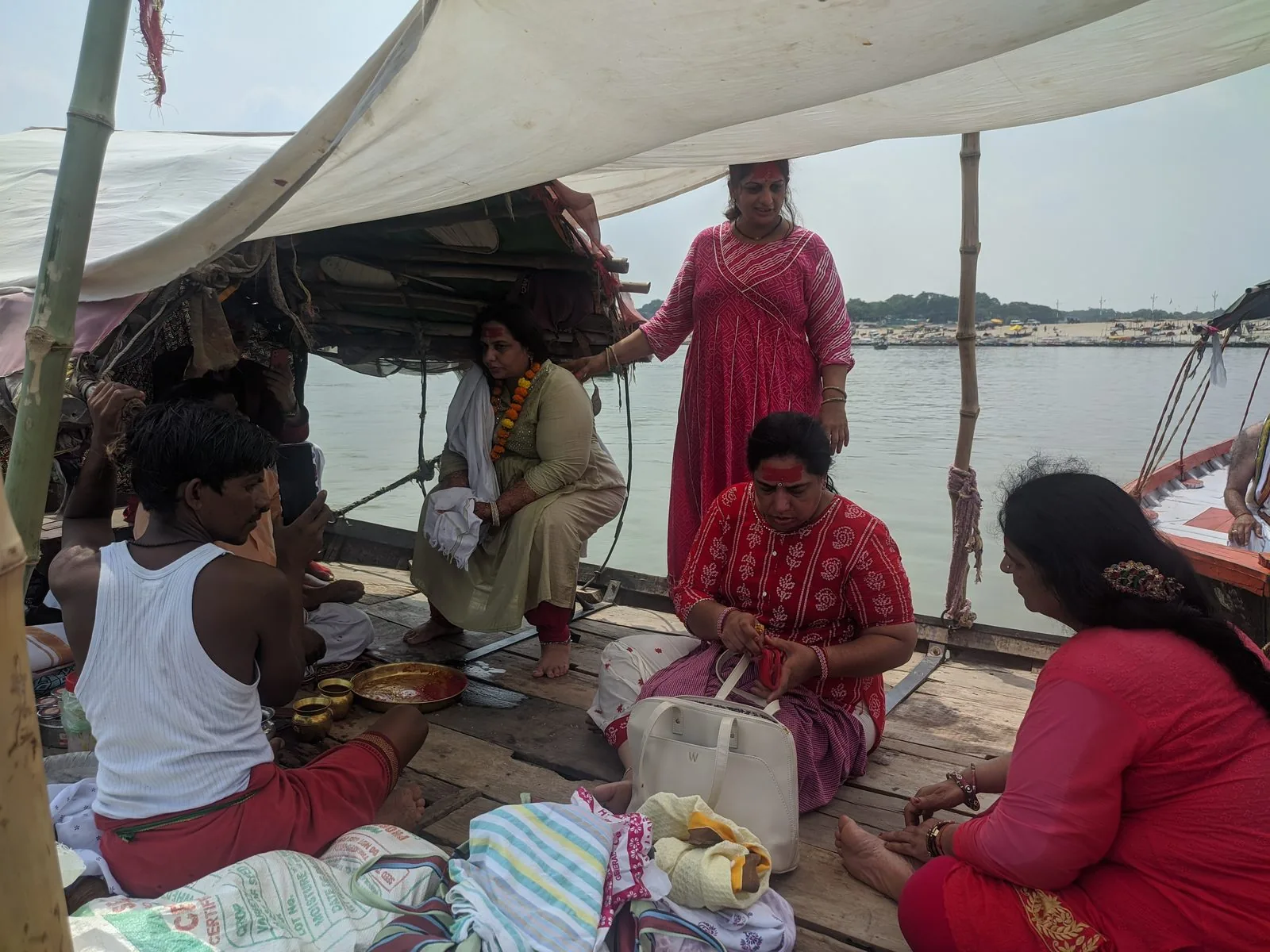
Tarpan

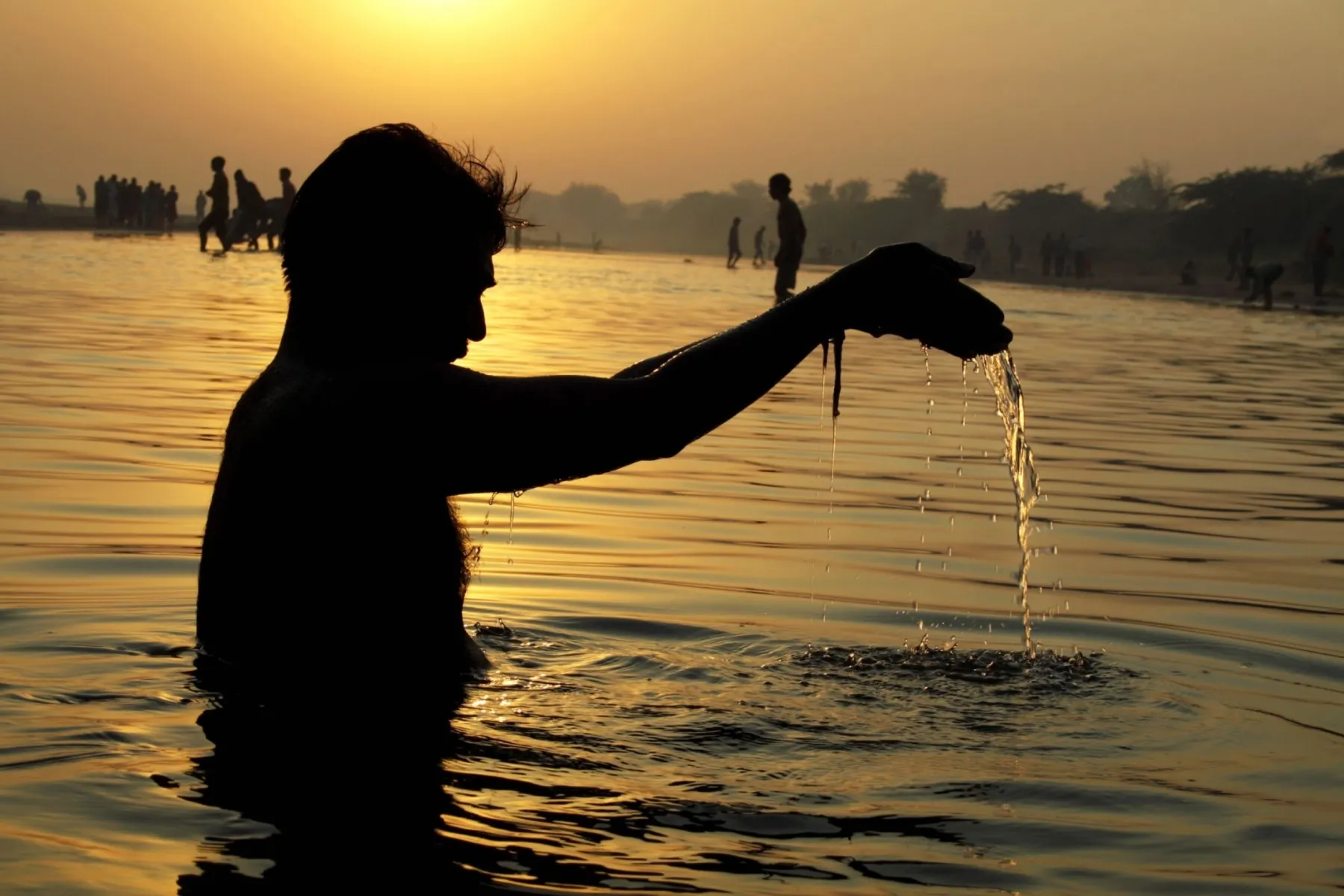
Tarpan is an offering of water made with remembrance and recitation. In Pitru Tarpan, the family remembers ancestors; the word can also be used for offerings addressed to other groups in broader ritual contexts.

A useful question How is Tarpan observed in our family tradition?
Read the introduction

Tripindi Shradh

Tripindi Shradh is a specialised ancestral rite whose name refers to a threefold pinda arrangement. Families should ask why it has been suggested, which textual or lineage practice is being followed and what the proposed sequence includes.

A useful question Why has this rite been suggested, and by whom?
Read the introduction

Annual Barsi Shradh

Annual Shradh—often called Barsi or Varshik Shradh—is the yearly remembrance of a particular ancestor, generally observed according to the lunar tithi of death in the family’s calendar tradition.

A useful question Which tithi should we use for the yearly remembrance?
Read the introduction
What families can expect

Care that starts with listening.

Every family arrives with a different tradition, set of questions and practical need. We listen first, explain what we know and are clear about what still needs to be checked.

14,200+
families served

More than 14,200 families have asked our team for help with remembrance rites and arrangements at sacred places in India.

How coordination works
100+
pandit network

Our network includes pandits across all eight places. We make an introduction after understanding the rite, language, date and family needs.

Understand the network
4.8+
from 400+ reviews

Our current rating is 4.8+ from more than 400 reviews. We publish individual family words only when we have permission.

Read family feedback
If you are unsure

Begin with what your family knows.

You may know a name, a date, a place your elders mentioned—or only that you want to remember someone properly. Share that starting point with us and we will help you organise the next questions.

Questions families often ask

Questions we hear most.

Start with the common questions about dates, participation and arrangements. If your situation is different, ask us directly.

All FAQs →
What is the period of Pitrupaksha in 2026?

The website’s 2026 guide currently lists 26 September to 10 October, during Krishna Paksha of Bhadrapada. Lunar dates can vary by calendar and location, so confirm the relevant date for your family and sacred site before making plans.

Can I perform the pooja remotely from abroad?

Tell us where you are and how you hope to take part. Depending on the rite and place, the family may be able to join by live call or receive photographs or a recording. Ask what is possible for your date before making plans.

How do you coordinate a suitable pandit?

Our network includes 100+ pandits across eight sacred sites. We first ask about the rite, place, language, date and family needs, then introduce a pandit whose practice and availability fit the request.

What do I need to provide before the pooja?

Keep the ancestor names, relationships, gotra if known, and the tithi or date of passing nearby. It is fine if something is missing; tell us what your family does know.

Do you accept international payments?

No. This website does not collect online payments. If an offline arrangement is later proposed, ask for the full amount, recipient, inclusions and cancellation terms in writing before paying.

Is Pitrupaksha the only time these rites can be performed?

Timing depends on the rite, family tradition and local practice. Dates shown on the website are general guidance, not a personal religious recommendation. A coordinator can help you prepare the question for an appropriate practitioner.

A name remembered.
A bond carried forward.
FOR THOSE WHO CAME BEFORE US
CALL OR WHATSAPP · +91 83539 99366 · +91 91152 34555