
The context matters as much as the name.
The date depends on the lunar calendar and location. Around popular rivers and pilgrimage places, access can be busy, so timing and meeting arrangements should be checked in advance.
Sarvapitri Amavasya is the new-moon tithi that closes the Pitrupaksha fortnight in many calendars. Families often use it for collective remembrance, especially when an individual death tithi is not known or could not be observed.
Use this guide as an introduction, then ask a qualified pandit what applies to your family’s tradition.
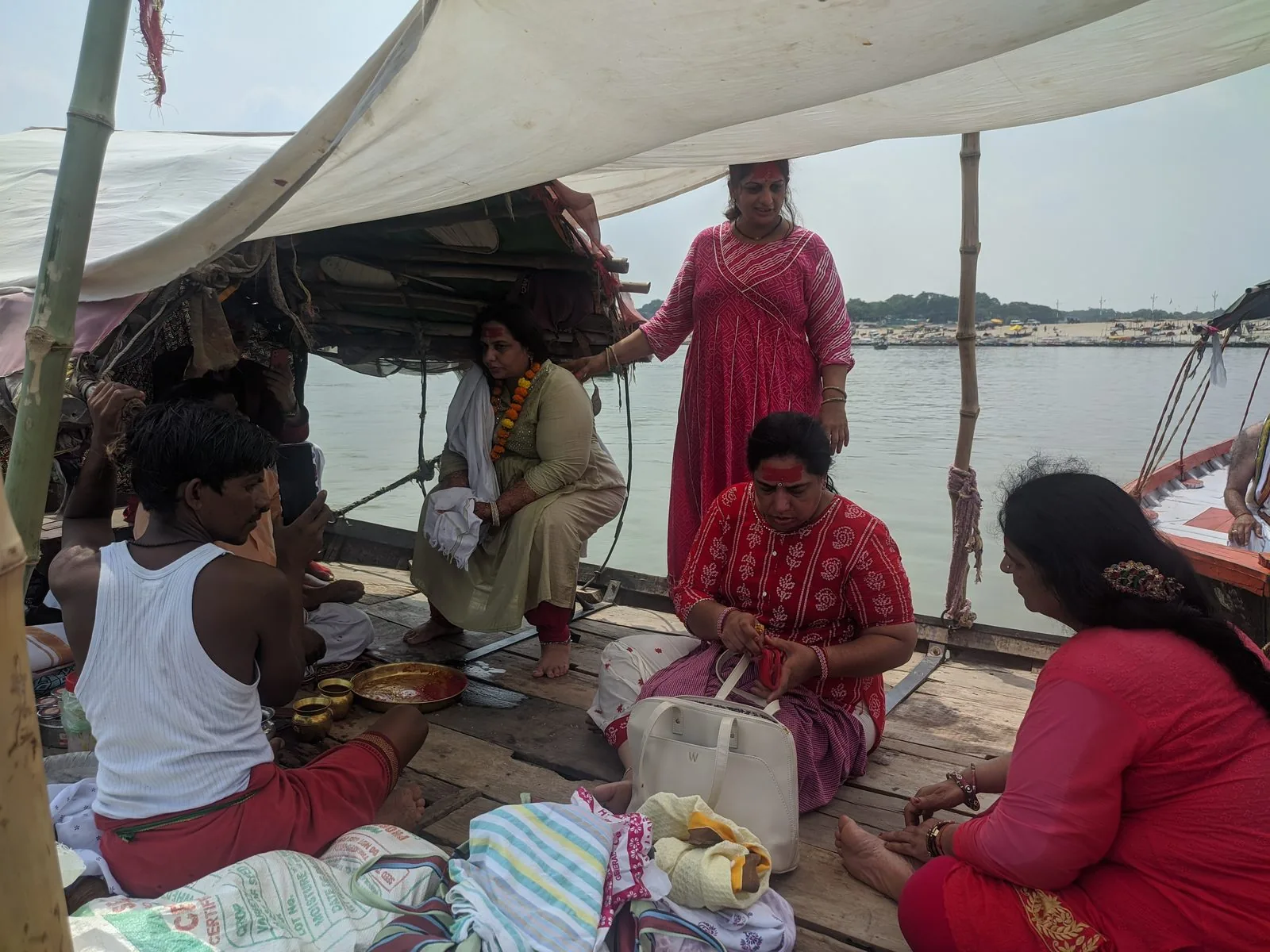
The date depends on the lunar calendar and location. Around popular rivers and pilgrimage places, access can be busy, so timing and meeting arrangements should be checked in advance.
Prepare the names and relationships the family knows. If a death tithi is unknown, say so plainly and ask how ancestors are named collectively in the practice being followed.
The steps can differ by family tradition and place. Use this overview to prepare questions, then ask the pandit to explain the actual sequence.
Wait before buying materials. The pandit should confirm what is needed for the rite, place and family tradition.
Practice can differ by lineage, region and family circumstances. Ask the pandit to explain what applies to your family.
Read all FAQsIt is widely associated with collective remembrance and unknown or missed tithis, but family practice can be broader. Ask what applies to your observance.
Usage varies by region. “Mahalaya” can refer to this Amavasya, the wider fortnight or a regional observance. Confirm what the speaker means.
No. Site dates are orientation. The tithi and time for the chosen location must be checked separately.
We will reply by phone or WhatsApp and help you organise the questions. Nothing is booked or paid for on this website.