A careful family-planning guide

Annual Barsi Shradh

Gather the ancestor record, household context, place and open questions before discussing annual Shradh or Barsi with a qualified pandit.

Use this guide as an introduction, then ask a qualified pandit what applies to your family’s tradition.

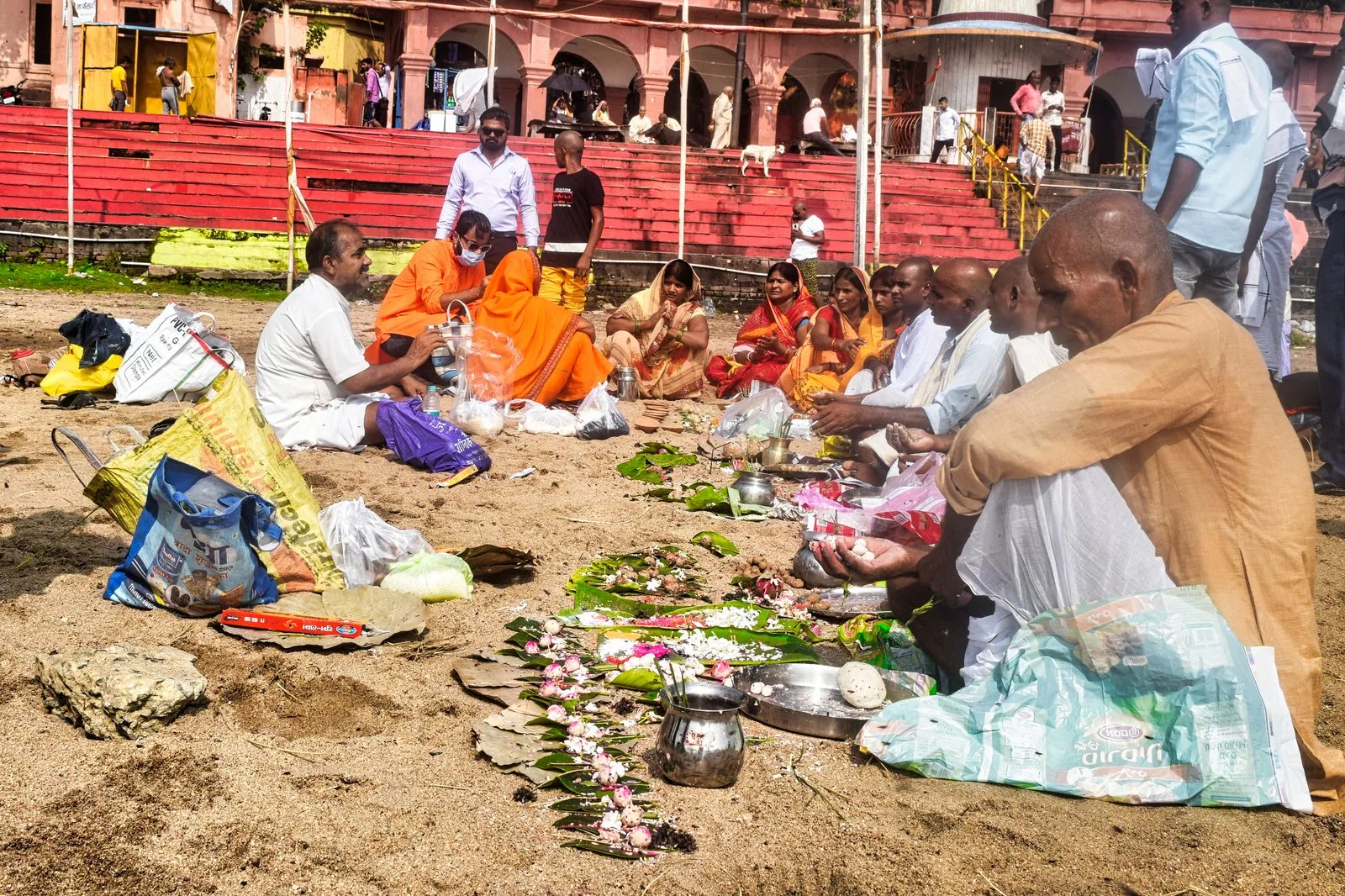
The Falgu river landscape in Gaya
Contextual view of the Falgu landscape in Gaya. A general image does not determine a family’s date, terminology or annual observance.
Plain languageWhat the term means
Family contextQuestions to bring
Place mattersLocal practice can differ
Pandit guidanceConfirm before you arrange
What makes it distinct

Begin with the family’s own wording and records. This guide does not declare Annual Shradh, Barsi and Varshik universally identical, calculate a date or replace qualified religious and calendric guidance.

When families ask

The context matters as much as the name.

Keep the remembered civil date, any tithi statement, place, timezone and household custom as separate attributed facts. Uncertainty should remain visible until the relevant family and qualified authorities review it.

Who participates

Explain who is available.

Identify the family record custodian, the person who remembers the custom and the adviser or interpreter responsible for the next review. Share only details the family is comfortable and authorised to discuss.

A simple overview

What to discuss before the rite.

The steps can differ by family tradition and place. Use this overview to prepare questions, then ask the pandit to explain the actual sequence.

  1. 01

    Record the exact family term and which remembrance it identifies.

  2. 02

    Keep every date, tithi, place and source statement separately attributed.

  3. 03

    Mark confirmed, remembered, disputed and unanswered points without converting them.

  4. 04

    Ask the qualified reviewer which source and family tradition should govern the next step.

Before the conversation

Keep these family details nearby.

  • The exact word or label the family uses
  • The ancestor record and its known custodian
  • Civil-date, tithi, place and timezone statements kept separately
  • Household custom, disagreements and open questions for review

Wait before buying materials. The pandit should confirm what is needed for the rite, place and family tradition.

Questions worth asking the pandit.

  1. Which remembrance does the family’s own term identify?
  2. Which statement comes from a record, a calendar source, a family memory or an adviser?
  3. Which place, timezone or household-custom question remains unresolved?
  4. Who can give the next qualified and attributable review?
Choosing a place

Sacred sites families commonly ask us about.

These places are starting points. Ask whether this rite is traditionally performed at the site you are considering.

Before you decide

Annual Barsi Shradh questions.

Practice can differ by lineage, region and family circumstances. Ask the pandit to explain what applies to your family.

Read all FAQs
Does this page prove that Annual Shradh, Barsi and Varshik always mean the same thing?

No. Family and regional language can differ. Record what the family means by its term and ask which source or tradition supports that usage.

Can this page calculate the family’s annual date?

No. It can help preserve the received date, tithi, place and source information, but it does not perform or choose a calendric conversion.

Should unresolved family accounts be merged into one answer?

No. Keep each account attributed and ask a qualified reviewer which facts and family tradition are relevant.

Annual Barsi Shradh enquiry

Begin with what your family already knows.

We will reply by phone or WhatsApp and help you organise the questions. Nothing is booked or paid for on this website.