
Kashi During Pitrupaksha: Traditions of Ancestral Remembrance
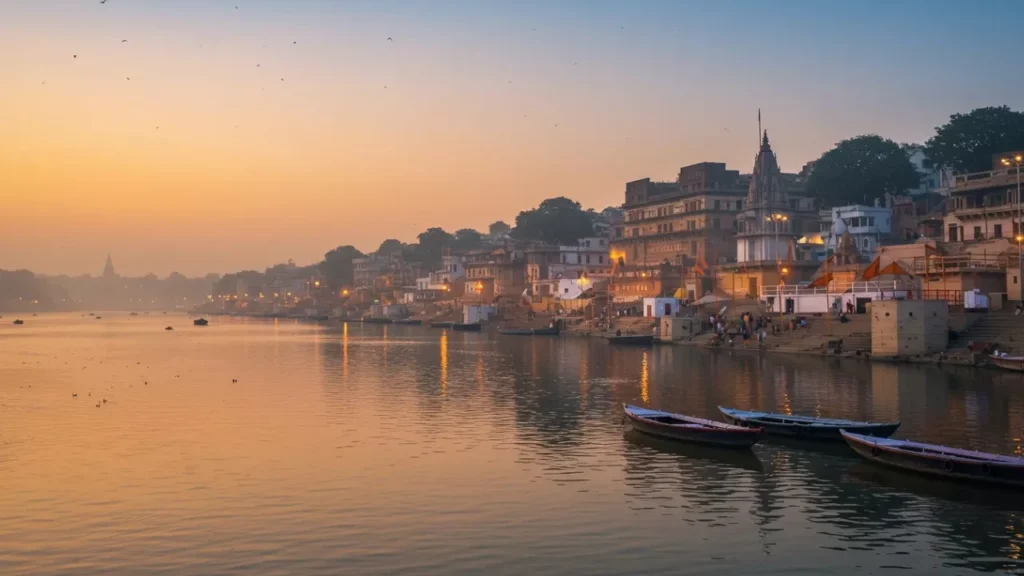
Kashi's ghats and temple landscape shape many family remembrance journeys, but the appropriate place and practice should be confirmed with care.
In this article
Kashi brings together a living riverfront, temple traditions, pilgrimage and family memory. During Pitrupaksha, some families choose to spend time here for Shradh, tarpan or a quieter act of remembrance. Their reasons may come from an inherited family practice, a connection with the Ganga, or a wish to step away from daily routines and remember earlier generations with attention.
The city should not be reduced to a promise of a particular spiritual result. Kashi's importance is expressed through tradition and faith, while the form of an ancestral observance varies by family, region and the guidance being followed.
Kashi's riverfront is not one interchangeable place
The District Varanasi describes the city's ghats as steps leading to the Ganga. Its official page lists 88 ghats, says most are used for bathing or puja, and identifies two as cremation sites. That distinction matters.
A family planning an observance should confirm the exact ghat rather than asking only for “a ritual by the Ganga.” Access, crowd level, privacy, local practice and suitability can differ from one place to another. Cremation ghats are active places of mourning and work; they call for restraint and should not be treated as a backdrop for casual photographs or sightseeing.
The Kashi city guide can help orient a first visit. The ancestors topic hub provides broader reading on remembrance without prescribing a single family method.
The temple context
The official Shri Kashi Vishwanath Temple portal places the temple on the western bank of the Ganga and identifies the shrine with Shiva as Vishwanath or Vishweshwara. This temple landscape is central to how many pilgrims understand Kashi.
An ancestral observance and a temple visit are not automatically the same appointment or procedure. If a family hopes to include both, it should check current temple entry guidance, opening arrangements, permitted belongings, walking distance and realistic time between locations. Official visitor rules can change, especially during crowded periods.
What to clarify with the family first
The people being remembered
Prepare names and any family details customarily used in the observance. Check pronunciation with elders. If different branches of the family follow different practices, record the difference instead of forcing them into one list.
The intended form of remembrance
“Shradh in Kashi” can refer to different things in conversation. One family may be planning tarpan by the river; another may be following a longer inherited sequence; another may simply wish to visit, remember and give in charity. Describe the intention plainly when seeking local guidance.
The authority being followed
Decide whether questions of tithi, materials, sequence and eligibility will be answered by the family's customary priest, an elder, or a qualified local priest. If advice conflicts, pause. A website article cannot settle a family-specific ritual question.
What to ask a local guide
Before agreeing to an arrangement, ask:
- Which ghat or other place is proposed, and why is it suitable for the family's stated intention?
- Is the meeting point reachable for everyone in the group?
- How many steps, boat transfers or long walks are involved?
- Which language will be used for explanation?
- What information and materials should the family bring?
- How long is the observance expected to take?
- What is included in the agreed cost?
- What current rules apply to photography, belongings and river access?
Clear answers support consent and reduce pressure at a busy riverfront. An unexpected addition can be declined or reconsidered.
River safety, privacy and accessibility
Stone steps may be wet, uneven or crowded. River levels and boat conditions change. Older adults, children and people with limited mobility may need a bank-side plan, more time, or a different access point. Follow current local safety directions and do not enter the water solely because someone presents it as compulsory.
Ask before photographing a priest, another family, a mourner or an active rite. Keep voices low near cremation areas. Do not publish names, gotra details, images or family circumstances without the informed agreement of those involved.
The Pitrupaksha pilgrimage planning guide covers travel, health and documentation questions. Why Rivers Matter in Pitrupaksha Traditions provides context for the river setting.
If the family cannot make the journey
Travel may be unsuitable because of health, care responsibilities, cost, weather or crowds. This does not make remembrance insincere. Families can ask their own guide what is appropriate at home or whether a Kashi visit can wait for a safer time.
Be cautious with claims that a remote transaction is automatically equivalent to personal participation or that one provider can guarantee an outcome. If a family seeks any form of assistance, it should first understand who will act, where, under whose guidance, what will be shared, and how consent and personal data will be handled.
A place for attention, not comparison
Kashi's role in ancestral remembrance is best described through its riverfront, temple context and long-lived pilgrimage traditions. It does not need to be ranked above another city or a home observance. The responsible approach is to match the family's intention with an appropriate place, qualified guidance, practical safety and respect for the people who use the ghats every day.
Planning around this sacred place?
Share the rite, preferred date, language and travel needs. A coordinator will reply with what can be checked next; an enquiry is not a booking.
Ask about the place