
The Legend of Gayasura and Gaya’s Sacred Geography
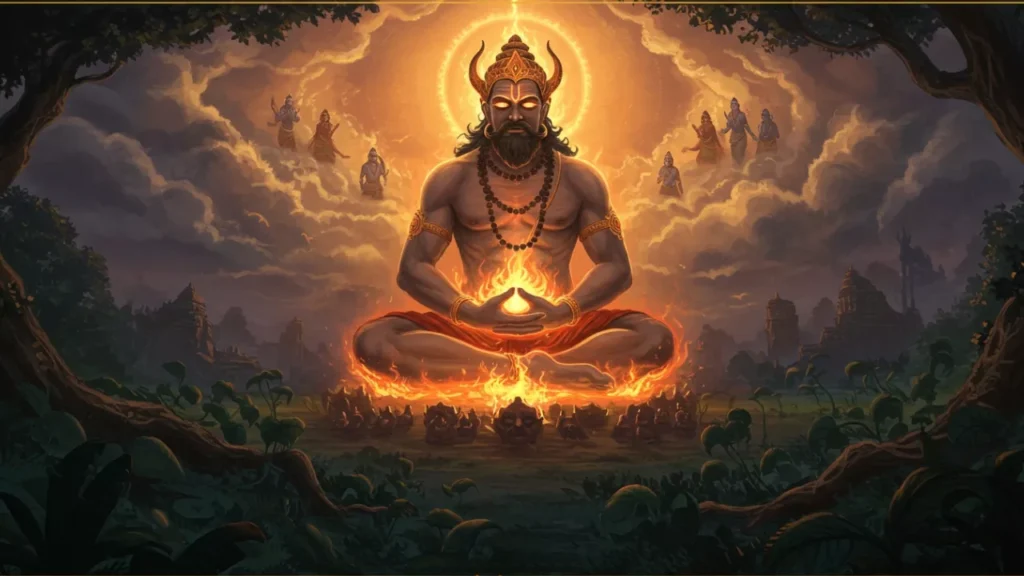
The Gayasura story is one traditional explanation for Gaya’s place in ancestral rites. This article follows the story and the sacred geography associated with Vishnupad.
In this article
Gaya is understood through both place and story. The Vishnupad Temple, the Falgu riverfront and other local sites form a geography that families encounter on pilgrimage. Alongside that geography, people hear versions of the Gayasura tradition: a sacred narrative used to explain why Gaya became closely associated with remembrance of ancestors.
The narrative should be approached as tradition, not as a measurable promise. Versions vary in detail and emphasis. A careful introduction therefore does not use the story to guarantee liberation, rank Gaya above every other tirtha or tell a family that one visit ends all later responsibilities.
Vishnupad as a point of orientation
Bihar Tourism describes Vishnupad Temple as a major place of pilgrimage in Gaya and identifies the footprint associated with Vishnu as its central feature. For a first-time visitor, that establishes a useful geographical reference. It does not by itself establish the sequence that a particular family should follow.
Local arrangements can be affected by temple access, crowd conditions, the family’s inherited practice and the person guiding the rite. Before travel, ask which sites are actually relevant, how much walking is involved, where the family will meet the guide and what can be confirmed in advance.
Reading a sacred story responsibly
Traditional narratives often explain why a place matters. They should be attributed as narratives and interpreted within the family’s own tradition. Claims about immediate spiritual outcomes, the condition of a departed person or the end of annual observances should not be presented as guaranteed results.
The most useful questions are simple:
- Which version or source is the guide using?
- Is a statement a story, a local custom or a general requirement?
- Which parts vary by family or sampradaya?
- What is included in the proposed local arrangement?
Planning without pressure
A family can enquire about Gaya without agreeing to a rite or payment. Share the purpose of the visit, known family details, mobility needs, language preference and likely travel dates. Ask for the local sequence to be explained before tickets or accommodation are fixed.
Gaya’s importance does not need exaggerated claims. Its temple, riverfront and living pilgrimage tradition are substantial subjects in their own right. A trustworthy guide helps the family understand the place, distinguishes belief from logistics and leaves religious decisions with qualified guidance.
Sources
- Bihar Tourism, Vishnupad Temple
- District Administration Gaya, Tourism
Planning around this sacred place?
Share the rite, preferred date, language and travel needs. A coordinator will reply with what can be checked next; an enquiry is not a booking.
Ask about the place