Handling Shradh Materials Respectfully After a Home Rite
Learn a respectful, environmentally safer way to separate and handle flowers, food, ash, water and packaging after a home Shradh, with clear review boundaries.
In this article
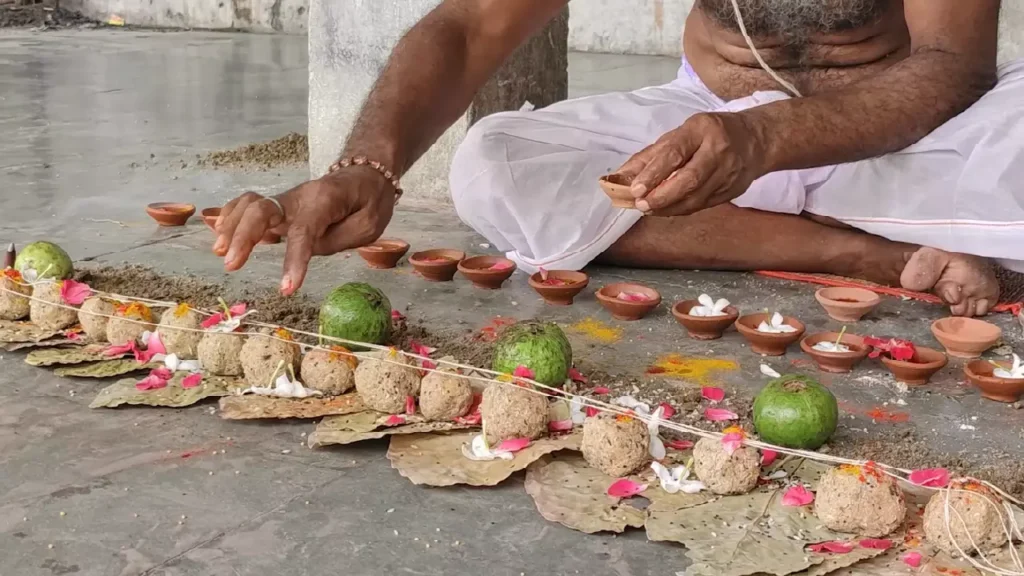
Materials remaining after a home Shradh may include food, pindas, flowers, leaves, water, ash, cloth, thread, foil or packaging. Families often want to handle them with respect, but an online article should not turn one local custom into a universal disposal rule.
There are two questions to resolve: what the family’s religious tradition requires, and what local environmental and waste rules permit. Respect for the rite does not require putting offerings into a river or leaving them in a public place.
Begin by separating, not discarding
Before the observance, set aside clean containers for different material groups. This avoids having to sort everything after food, oil or ash has mixed together.
- Keep food and other biodegradable material separate from plastic, foil, synthetic cloth and packaging.
- Keep any lamp wick, incense ember or ash in a heat-safe container until it is completely cold.
- Remove wire, staples, plastic thread and decorative film from flowers or garlands.
- Keep ritual water separate from oil, ash, detergent and solid waste.
- Label anything whose religious handling still needs to be confirmed.
This pause is especially useful when the family is following instructions remotely or when several people helped arrange the materials.
Do not put puja materials directly into a river
Government of India guidance is clear on the environmental boundary. A 2022 Ministry of Jal Shakti answer states that dumping puja materials and other religious offerings into rivers and water bodies should be prohibited to prevent pollution. It also refers to Central Pollution Control Board and National Mission for Clean Ganga directions on ritual materials.
This means an article should not advise families to immerse pindas, flowers, ash, cloth or packaging in a river, lake or pond as a default disposal method. At a pilgrimage site, use the designated collection point and follow the current instructions of the local authority and the responsible priest.
Handle each category separately
Food and pindas
Ask the pandit who guided the rite how the offered food or pindas should be handled within the family’s tradition. Then choose an option that is also legal and environmentally appropriate locally. Do not leave food in a park, at a roadside tree or on a ghat, and do not feed it to an animal without confirming that the ingredients and location are safe.
If the approved option is municipal organic-waste collection or composting, keep plastic, foil, thread and other contaminants out. Local compost systems do not necessarily accept every kind of cooked or oily food, so check their rules rather than assuming.
Flowers, leaves and natural plant material
Separate natural material from synthetic decoration. The Solid Waste Management framework supports segregating biodegradable waste for composting and dry recyclable material for the appropriate recovery stream. Home composting is suitable only where the material and the household system allow it; otherwise, use the local wet-waste collection route.
Cloth, metal and reusable vessels
Do not classify an item as disposable only because it stood on the altar. Clean reusable metal or ceramic vessels according to the family’s practice. Send paper, glass, metal and plastic to the correct local dry-waste or recycling stream when they are no longer reusable.
Water, oil and cooled ash
Do not pour a mixture of solids, oil or ash into a storm drain or natural water body. Ask the local waste authority how these materials should be handled, and ask the religious reviewer whether any clean ritual water has a specific family practice. The answer may depend on both the contents and the place.
A final five-question check
- Has every flame or ember cooled fully?
- Have natural and non-biodegradable items been separated?
- Has the priest identified any item needing particular religious handling?
- Does the proposed method follow the municipality or site authority’s current rules?
- Will the material remain contained until it reaches the correct collection point?
For preparation before the rite, use the Shradh-at-home materials checklist. The lamp and incense safety guide covers hot wicks and ash, while the Shradh-at-home overview explains the wider planning boundary.
Sources
- Press Information Bureau, Ministry of Jal Shakti, Pollution in Rivers
- Press Information Bureau, Ministry of Environment, Forest and Climate Change, New Solid Waste Management Rules
Considering this rite for your own family?
Tell us the rite, place, preferred date and family details you already know. A coordinator will reply by phone or WhatsApp; nothing is booked or paid for on this website.
Ask about this rite