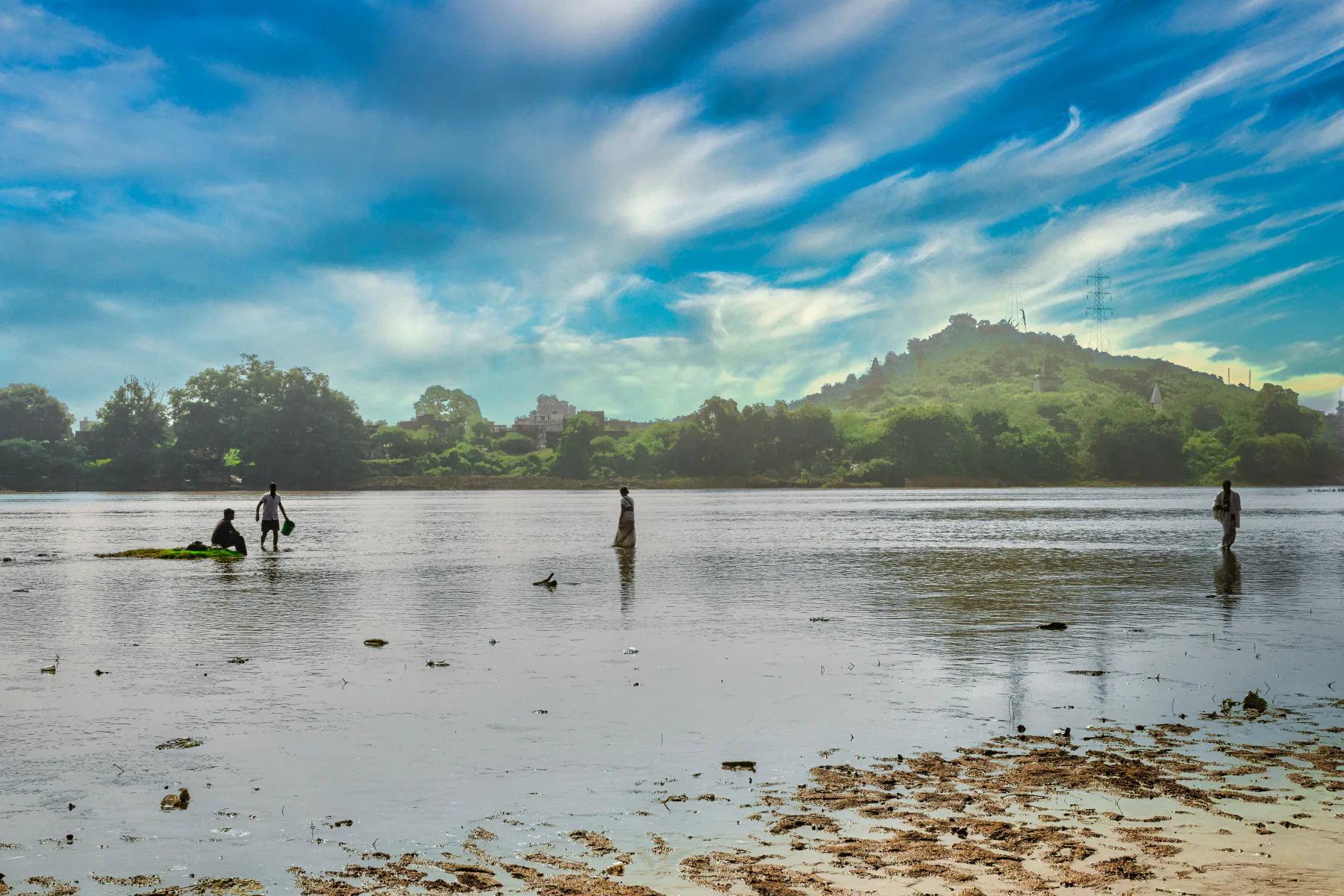
The shallow Falgu River landscape in Gaya
गया

Gaya

On the Falgu in southern Bihar — the site most closely associated with pind daan, and the place families most often ask about first.

Enquire about Gaya The sacred geography
The Falgu landscape beside Gaya’s sacred precincts. We check current access before a family travels.
Why Gaya

A place closely identified with ancestor rites.

Gaya is a living pilgrimage city with several sacred associations. For families planning Pind Daan and Shradh, however, its strongest practical identity is the network of precincts and local traditions connected with ancestor rites.

The tradition explains this through the story of Gayasura, an asura whose penance earned a boon so powerful that anyone who looked upon him was freed of wrongdoing. When the gods asked for his body as an altar, he lay down and did not rise; and the ground where he lay was granted lasting power for rites offered to ancestors. Vishnu’s footprint, the Vishnupad, is held to mark the place.

The ground itself is understood as an act of giving. That is what families are told they are standing on.

The Falgu surprises almost everyone. For much of the year it carries its water below the sand rather than above it, and pandits reach that water by digging a shallow hollow in the bed. Families expecting a broad river are often taken aback. It is entirely normal here, and the rite is not considered lessened by it.

Sacred geography

The precincts a rite here involves.

Not “somewhere in Gaya”. These are the specific places, and a coordinator will tell you which are involved before anything is arranged — access and photography rules at each vary and change.

Where it sits

Southern Bihar, roughly 100 km south of Patna. Bodh Gaya is 13 km away, which is why many families are already in the area when they enquire.
24.75° N, 84.99° E · Vishnupad precinct · approx. 110 m elevation
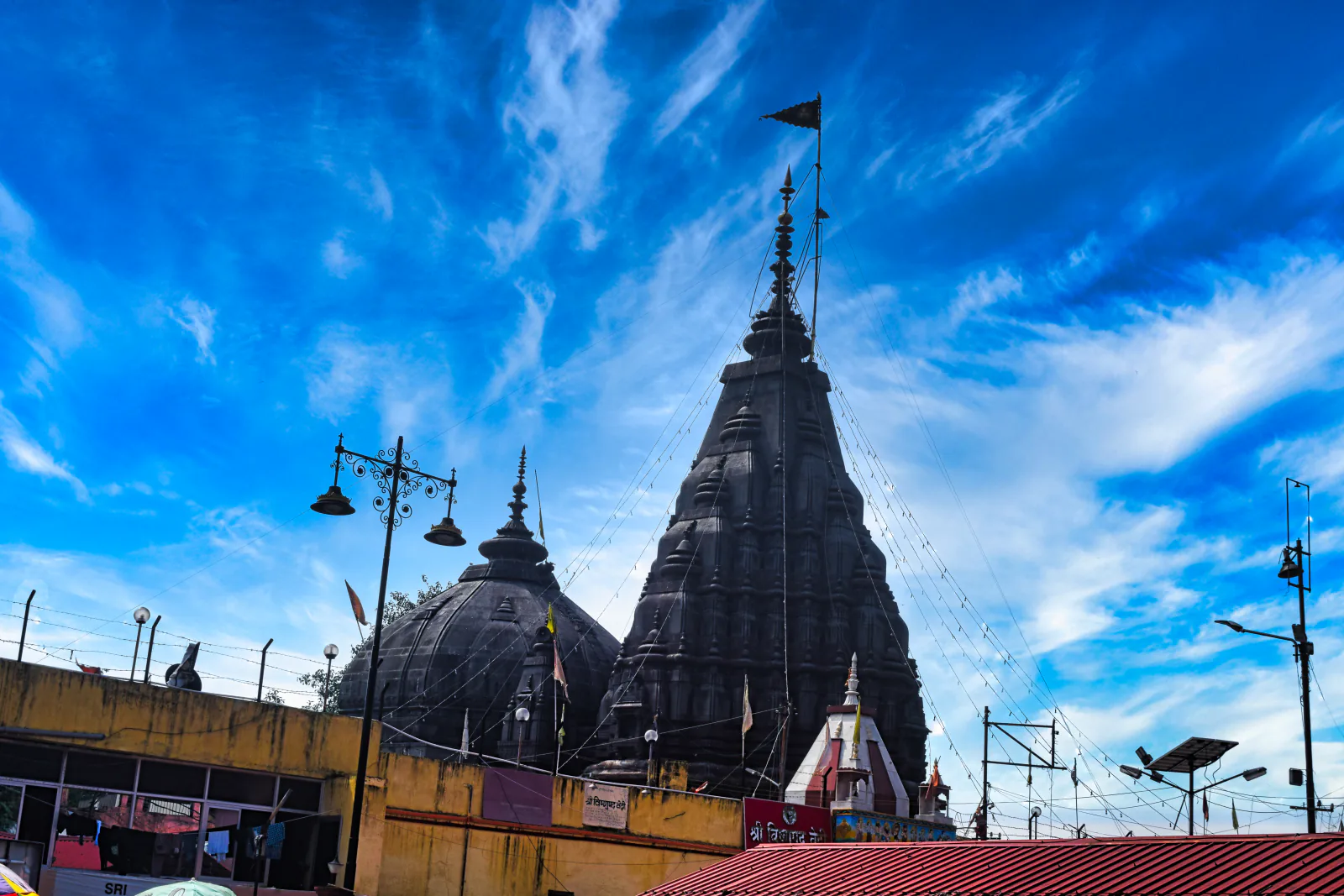
Vishnupad Temple in Gaya विष्णुपाद

Vishnupad

Temple precinct

The footprint held to be Vishnu’s, set in rock, at the centre of the city’s ritual life. Access and photography rules apply and change.

The shallow Falgu riverbed in Gaya फल्गु

The Falgu bed

Where offerings are made

The sand bed beside the temple. Water is reached within the bed for much of the year, and offerings are made there in the early morning.

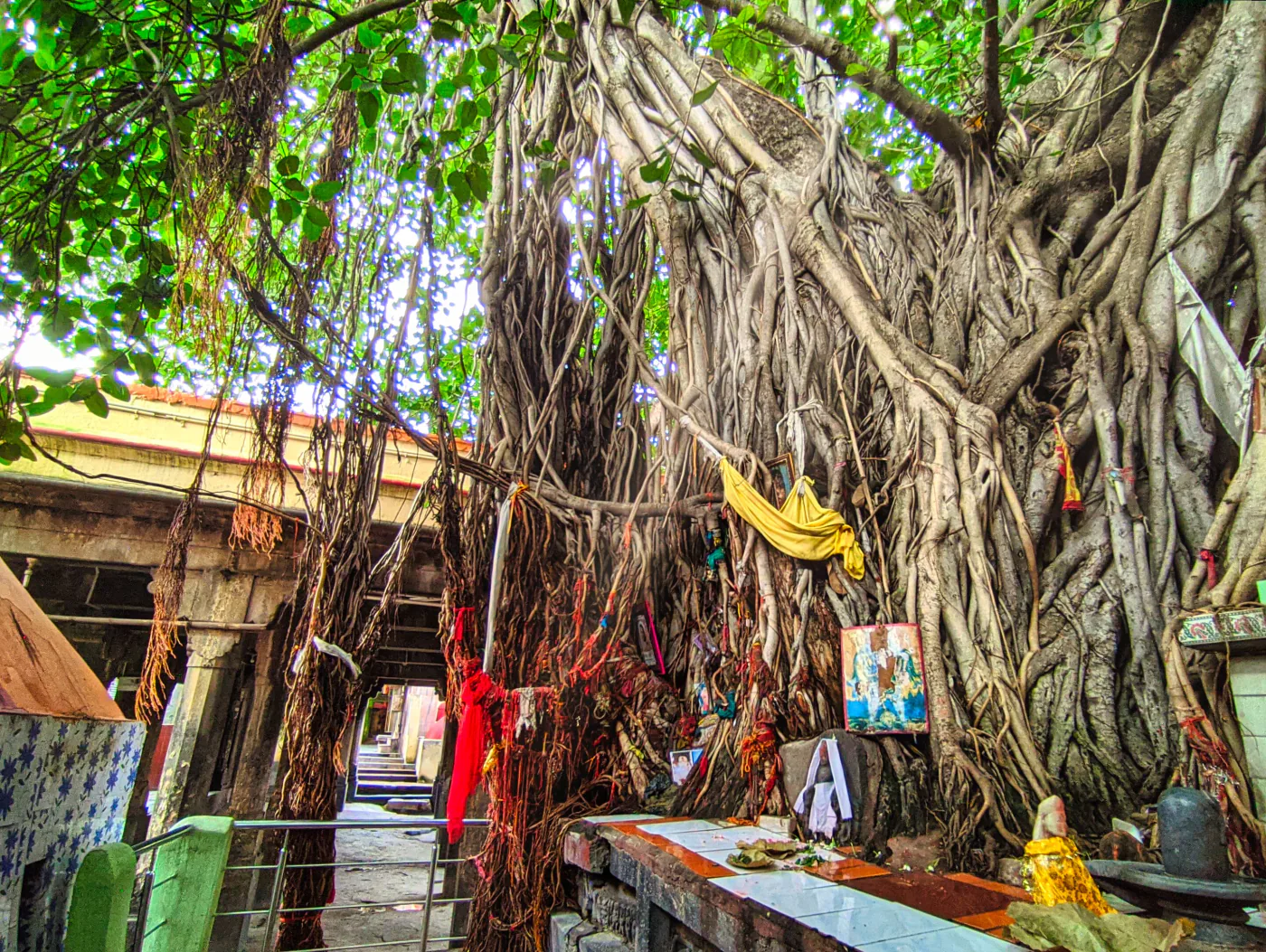
The sacred Akshay Vat banyan in Gaya अक्षयवट

Akshay Vat

Where a rite is closed

The undying banyan. By custom the Gaya rite is completed here, with the closing offering and a blessing for the family.

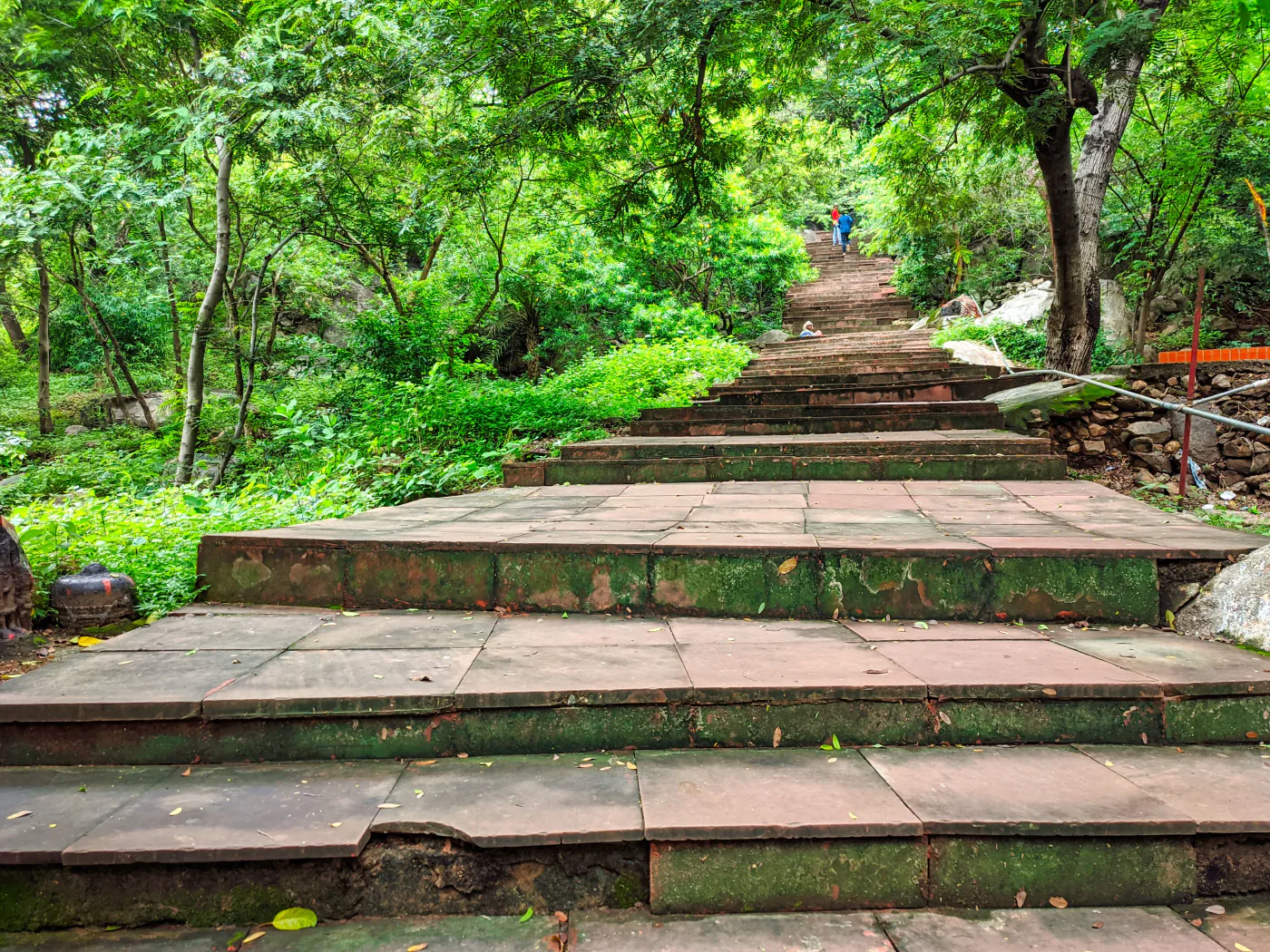
Stone steps on the approach to Pretshila in Gaya प्रेतशिला

Pretshila

A precinct with particular associations

A hill above the city that some local traditions associate with particular circumstances of death or remembrance duties understood to be incomplete. Ask the proposed pandit to explain why it is relevant before visiting.

Rites families ask about here

What families arrange at Gaya.

Whether a rite is appropriate for your family is not something this page can determine. What follows is what is customarily arranged here, and why families raise it.

Pind Daan पिंड दान Customary here The rite Gaya is most associated with. Offerings are made in the Falgu bed and the rite closed at the Akshay Vat. Understand this rite → Tripindi Shradh त्रिपिंडी Customary here Raised by families who believe rites were interrupted or never performed across generations. Pretshila is often part of it here. Understand this rite → Tarpan तर्पण Customary here The water offering, performed in the same bed. Families sometimes arrange it alongside or instead of a fuller rite. Understand this rite → Annual Barsi Shradh बरसी Customary here Arranged here when a family’s connection is to Gaya rather than to another site. Understand this rite →
A typical order — timings vary

How a rite here unfolds.

Rites are generally performed in the early morning. The sequence below is the usual order; the timing is not fixed, because it depends on the tithi, how busy the precincts are, and the pandit’s other commitments that morning.

Your coordinator will describe the expected window beforehand. We do not promise a fixed duration or a guaranteed start time.
  1. Materials are assembled The samagri for the rite is gathered locally after the required items have been confirmed.
  2. Sankalpa is taken The vow that opens the rite, naming the family and the ancestors being remembered.
  3. Offerings in the Falgu bed The central act of the rite, performed at the riverbed in the early morning.
  4. Water offering Poured for the generations named, in the order the pandit follows.
  5. Closing at the Akshay Vat The rite is completed and a blessing spoken for the family.
Before you enquire

What helps to have ready.

Bring whatever your family knows. Missing names, dates or gotra details are common, and you can fill them in later.

Names of those being remembered

As your family says them. Spelling variations are not a problem, and a coordinator will read them back to you.

Gotra, if your family knows it

Many do not. Where it is unknown, tradition provides for the rite to proceed — your pandit will explain how. It is not an obstacle.

Any date you have

A calendar date of passing is enough; the corresponding tithi can be worked out from it. If no date survives, say so.

Who intends to take part

Whether anyone will travel, join from a distance, or ask that the rite be performed on the family’s behalf. All three are ordinary.

Terms you will hear

Glossary

Pind पिंड The offering shaped for an ancestor, made of rice and other materials. Sankalpa संकल्प The spoken vow that opens a rite, naming who offers and for whom. Gotra गोत्र A family’s patrilineal line, named after an ancestral sage. Tithi तिथि A lunar day. Rites often follow the tithi rather than the calendar date.

A qualified pandit should answer questions specific to your family.

Access & travel

Getting to Gaya.

By air
Gaya International (GAY), approx. 12 km
By rail
Gaya Junction, on the Delhi–Howrah line
Nearby
Bodh Gaya, approx. 13 km
Local transfer
Arranged locally; described before you travel

Some families travel and others ask about remote participation. This guide describes the journey for anyone considering an in-person visit.

Seasonal notice

Rites at Gaya are arranged through the year. The Falgu is dry on the surface for much of it, and pandits reach water within the bed. During Pitrupaksha the precincts are at their busiest and pandits are heavily committed — families who intend to arrange something then usually make contact well ahead.

Mobility & on-site conditions

The precincts are largely walkable, with uneven ground and sand underfoot at the riverbed, and steps in places. Photography rules differ between precincts. Tell a coordinator what the family needs and they will describe what is workable.

Asked about Gaya

Questions specific to this place.

Why is the Falgu dry?
For much of the year the Falgu carries its water below the sand rather than above it, and pandits reach it by digging a shallow hollow in the bed. Families watching sometimes expect a broad river and are surprised. It is entirely ordinary at Gaya, and the tradition does not treat the rite as diminished by it — your pandit will explain as he works.
Is Gaya appropriate if our family is not from Bihar?
Families from every part of India and from the diaspora arrange rites at Gaya, and region of origin does not affect how the rite is performed. Whether Gaya is the right place for your family is a different question, and one for your family tradition and a qualified pandit rather than this page.
How many precincts does a rite involve?
The classical Gaya observance visits a large number of ritual spots across many days, and very few families undertake all of it. What is usually arranged is the core rite at the principal precincts. A coordinator can describe what an extended observance would involve if that is what you are asking about.
Can we take part without travelling?
Yes, and most families do. Rites can be performed on a family’s behalf, and a coordinator will explain what participation from a distance can look like. Nothing about that is considered lesser.
All frequently asked questions →
Related reading

Before you enquire.

Blog Why Gaya? The story behind pind daan here Blog Finding an ancestor’s tithi When no one remembers the lunar day Trust How pandits are verified What we check before anyone is matched
Enquire about Gaya

Tell us what your family is hoping to do.

A coordinator will talk through what is customary at Gaya, what is practical, and what your family would need to decide. Nothing is booked or paid for on this website.

Call or WhatsApp +91 83539 99366 CallWhatsApp
Call or WhatsApp +91 91152 34555 CallWhatsApp
Email info@pitrupaksha.org
Already selected
Sacred site
Gaya
Rite
To be discussed
Continue to the enquiry form

Gaya is already selected. Add the details you know and we will reply by phone or WhatsApp.

Quick security check

This appears only when the anti-spam layer needs one extra confirmation.

We will reply by phone or WhatsApp. Nothing is booked or paid for on this website.

We use these details to reply to this enquiry.

What we will check
  • The textual or lineage basis used to explain the proposed Gaya Shradh procedure
  • Current precinct practice at Vishnupad, Akshay Vat and Pretshila
Before you travel
Before your family travels
Ask the pandit to explain the religious procedure.
Ask us to reconfirm precinct access and meeting details for your date.
Tell us about any mobility, language or participation needs.
Local practice and access can change. The coordinator should recheck both before the family travels.